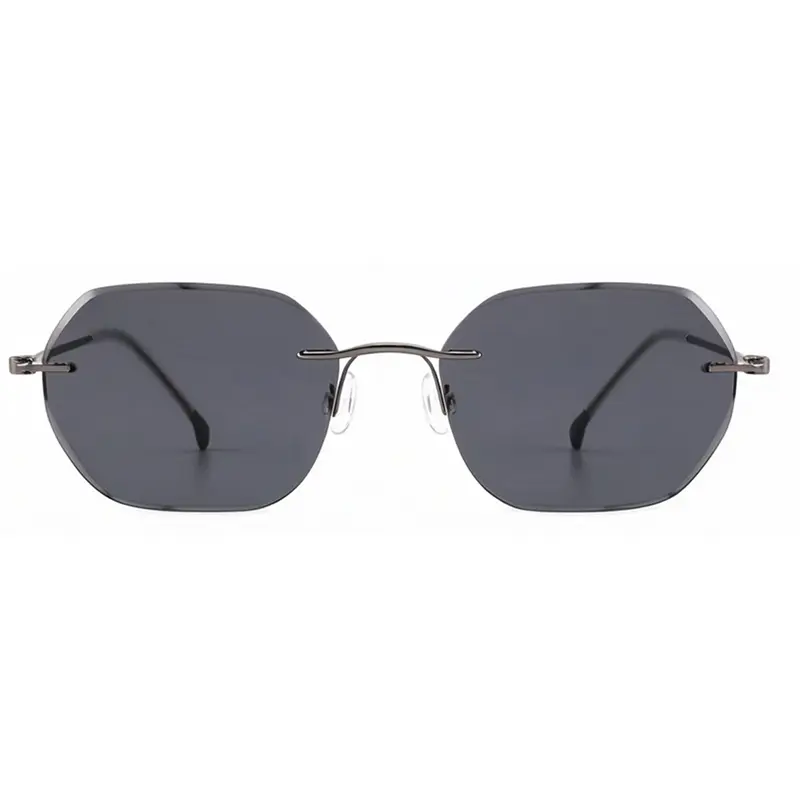
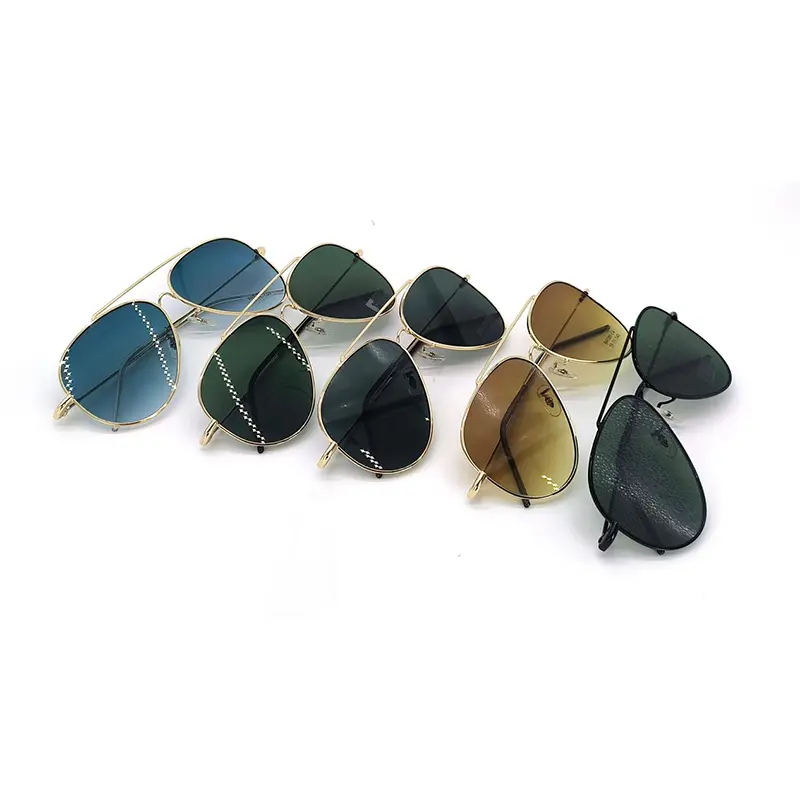
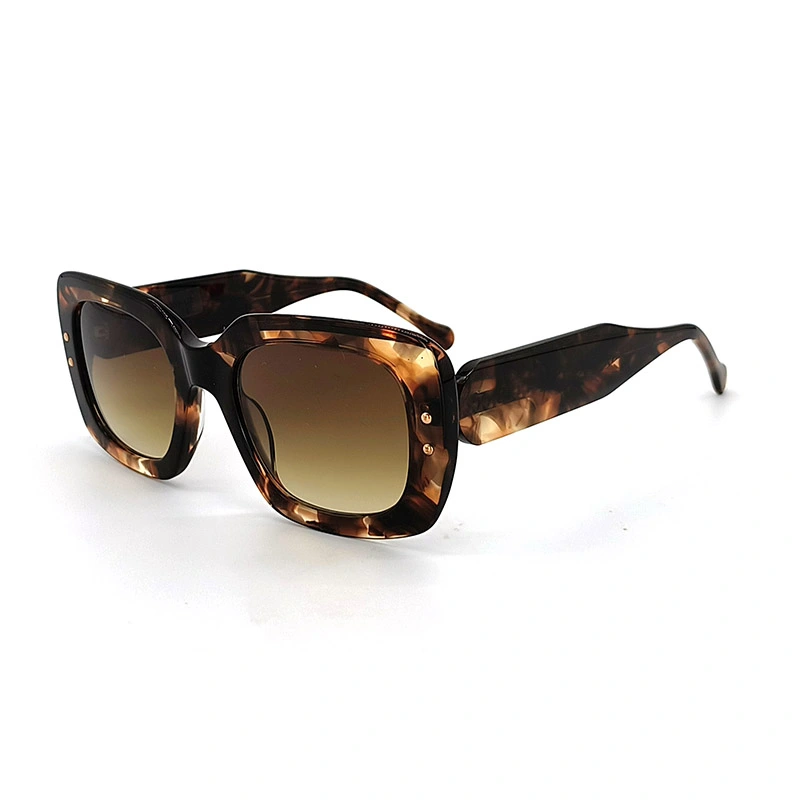
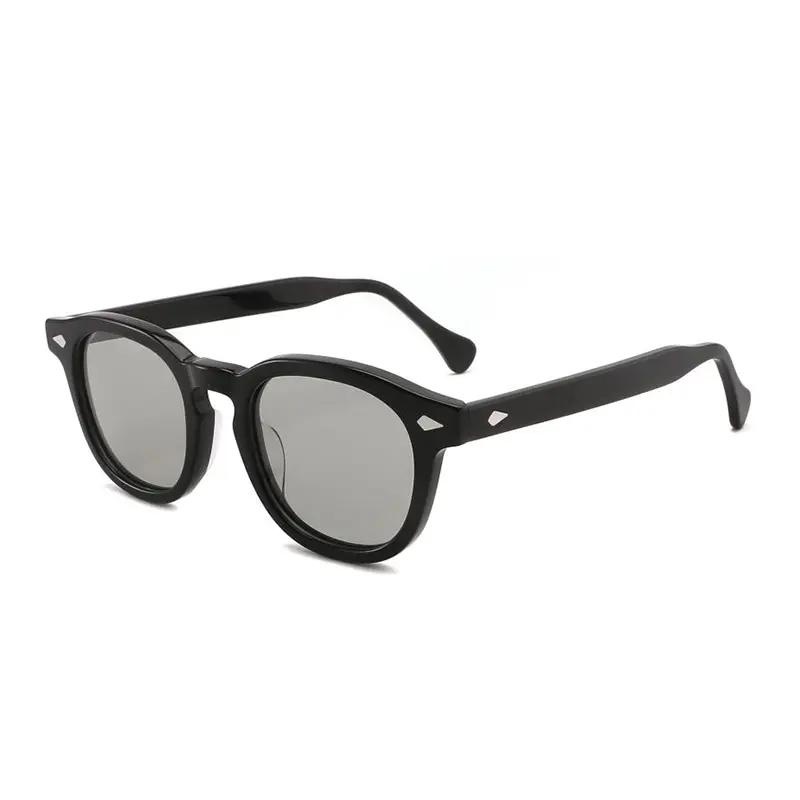
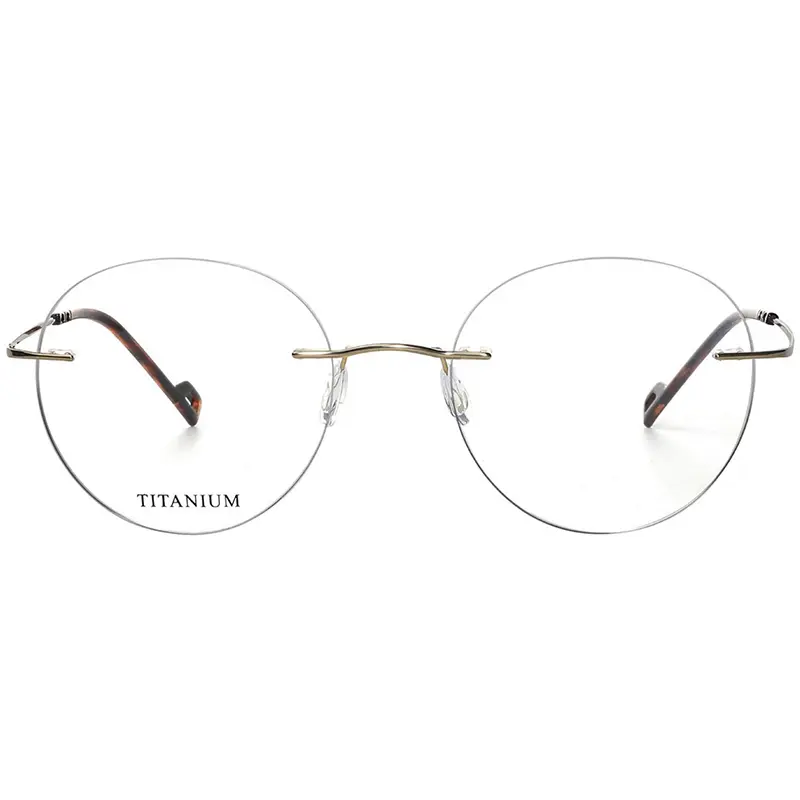
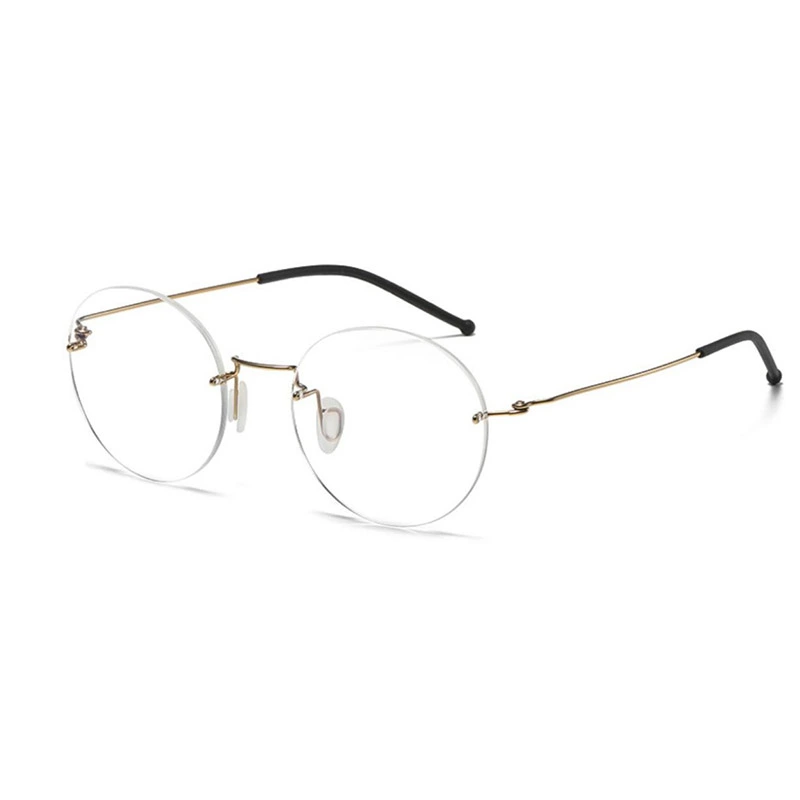
Interstel Eyewear supplies metal sunglasses with delicate metal frame construction, widely used for fashion and outdoor eyewear collections. Lens performance is tested by accredited third-party laboratories, and test reports are available upon request. UV grade and traffic signal Q-factor requirements follow our standard lens specifications, details can be found on our UV400 and polarized sunglasses pages.
Product Type & Definition
Metal sunglasses use metal as the main material for the front rim, with full-rim, half-rim and rimless constructions available. Stainless steel frames in classic aviator and round silhouettes are popular options for fashion collections. Different frame structures can be matched with tinted or polarized lenses according to the intended product positioning.
Product Structure & Design
A metal frame generally consists of a front frame, bridge, nose pad support, hinges and temples. The temples can be made entirely of metal or combine metal with acetate components.
Full-Rim Construction
The metal rim surrounds the lens edge, providing stable lens retention and supporting different lens curves. This structure is commonly used for classic aviator and round styles.
Half-Rim Construction
The upper part of the lens is supported by a metal frame, while a nylon wire secures the lower edge. This creates a lighter and more minimalist appearance.
Rimless Construction
The lenses are fixed through drilled holes and screw connections. This construction creates an ultra-light visual effect and is often used in premium minimalist collections.
Adjustable Nose Bridge
Nose pad structures can be adjusted to accommodate different nose bridge heights and wearing requirements.
Factory & Production
Interstel Eyewear provides metal sunglasses for different frame structures and style requirements. The following images show our factory and production environment.
Material & Structure Comparison
Different metal materials and frame constructions serve different product positioning requirements. The following comparison outlines their main characteristics.
|
Frame Type
|
Material
|
Main Characteristics
|
Typical Application
|
|
Stainless Steel Sunglasses
|
304 stainless steel
|
Balanced rigidity, stable plating performance and moderate weight. Classic aviator and round styles are common options. Slightly heavier than titanium.
|
Mainstream fashion collections and high-volume styles.
|
|
Titanium Sunglasses
|
Pure titanium or beta titanium
|
Lightweight, corrosion-resistant and nickel-free, with good suitability for sensitive skin. Higher material cost.
|
Premium collections, sensitive-skin users and coastal environments.
|
|
Half-Rim / Rimless Metal
|
Stainless steel or titanium
|
Slim construction and lightweight appearance. Not ideal for applications requiring high impact resistance.
|
Optical boutiques and high-fashion minimalist collections.
|
Product Selection Guide
Frame material and construction can be selected according to the target market, product positioning and intended wearing conditions.
For Mainstream Fashion Collections 304 stainless steel full-rim frames in classic aviator or round shapes offer a practical option for stable-selling styles.
For Premium & Sensitive-Skin Collections Titanium frames are lightweight, nickel-free and suitable for users who prioritise comfort, including in humid or coastal environments.
For Lightweight Minimalist Styles Half-rim and rimless constructions create a slim appearance and reduce the visual weight of the frame.
Lens Options Standard polarized lenses are available. UV protection upgrades and driving-related Q-factor certification can be discussed according to the lens specifications.
Frequently Asked Questions
What is the difference between metal and acetate sunglasses?
Metal frames generally feature thin profiles, defined lines and metallic finishes. Acetate frames offer layered patterns, richer colour combinations and can be adjusted through heating. Metal styles are often selected for classic and minimalist fashion designs.
Are metal sunglasses suitable for people with sensitive skin?
The risk of skin reaction depends on the material and surface treatment. Most metal frame parts do not have continuous direct contact with the face. Nickel-free plating can be requested, with EN 16128 testing available for relevant metal components. Titanium is nickel-free and is a suitable option for sensitive-skin collections.
Can metal sunglasses be fitted with prescription lenses?
Full-rim metal frames are generally the most straightforward option for prescription lens fitting. Half-rim and rimless constructions may have restrictions related to lens thickness and prescription strength, so the frame structure should be checked before production.
What metal frame finishes are available?
Available finishes include bright plating, matte plating, gunmetal and PVD finishes. PVD treatment can offer better scratch and corrosion resistance than conventional electroplating, depending on the specific coating and application.
Why can metal frames develop spots or discolouration?
Sweat, salt and cosmetics can gradually affect the surface plating. PVD finishing can be considered for products intended for humid or coastal environments. Normal plating wear is generally different from a manufacturing defect.
Can testing documents be provided for the EU market?
Third-party test reports for EN ISO 12312-1 and EN 16128 can be provided upon request, depending on the product and testing requirements.
Related Sunglasses Collections
Explore other frame materials and lens options to build a more complete sunglasses collection.
Contact Interstel Eyewear to discuss frame materials, construction options and product requirements.
Contact Us