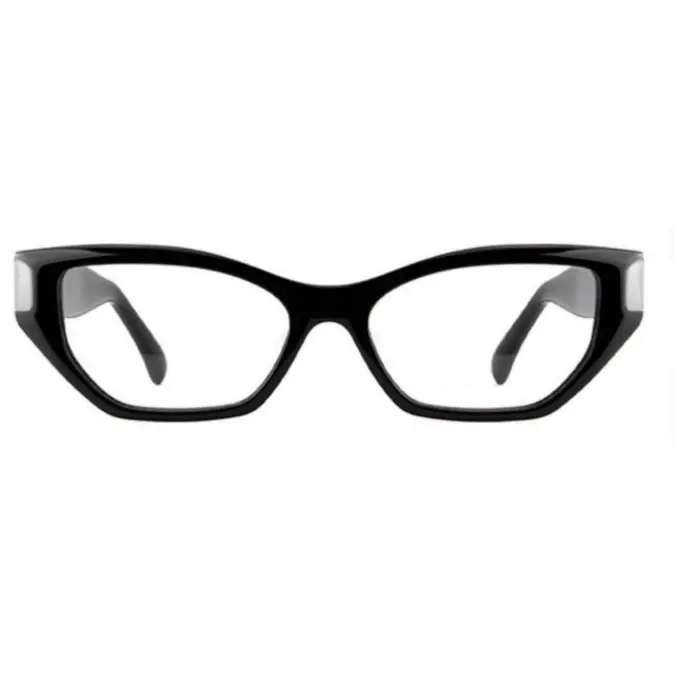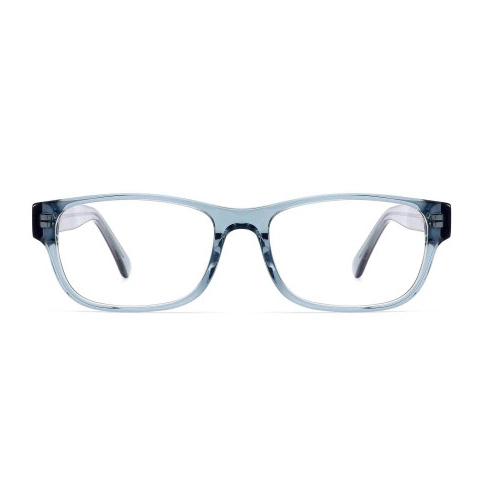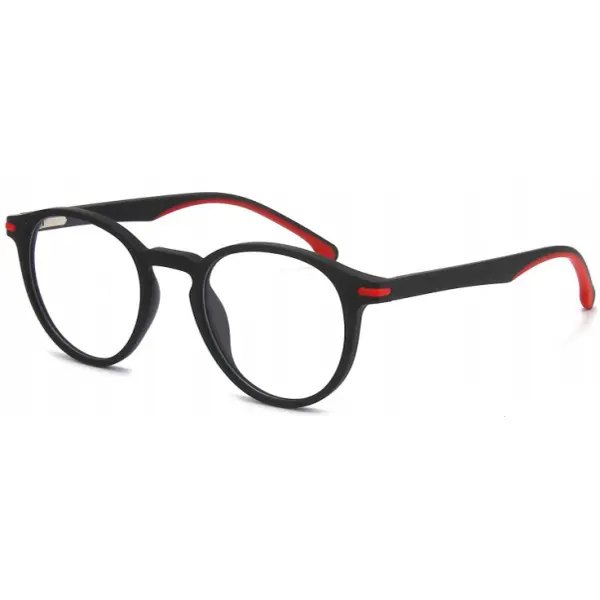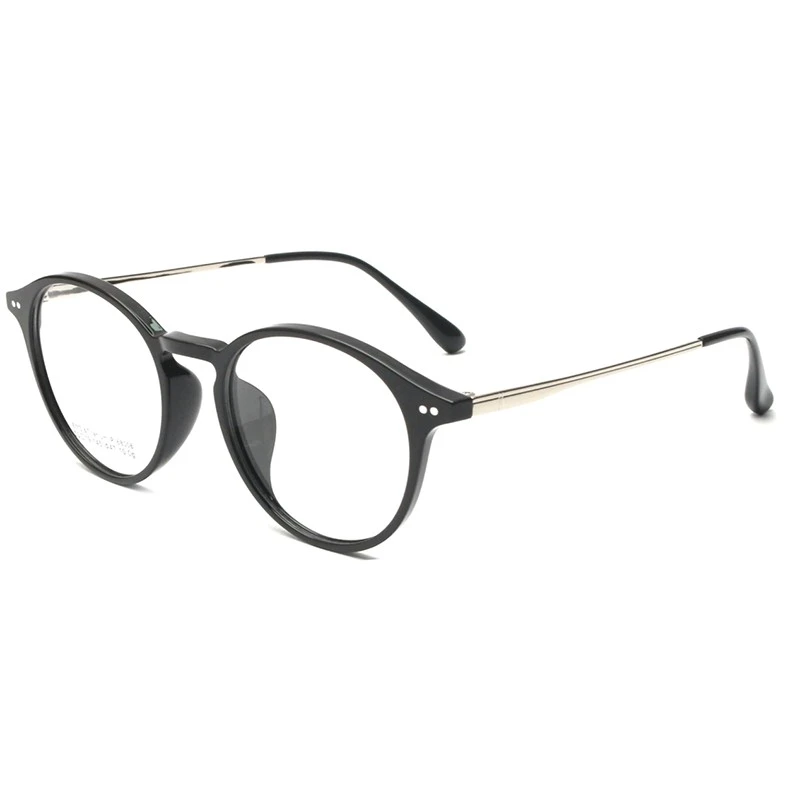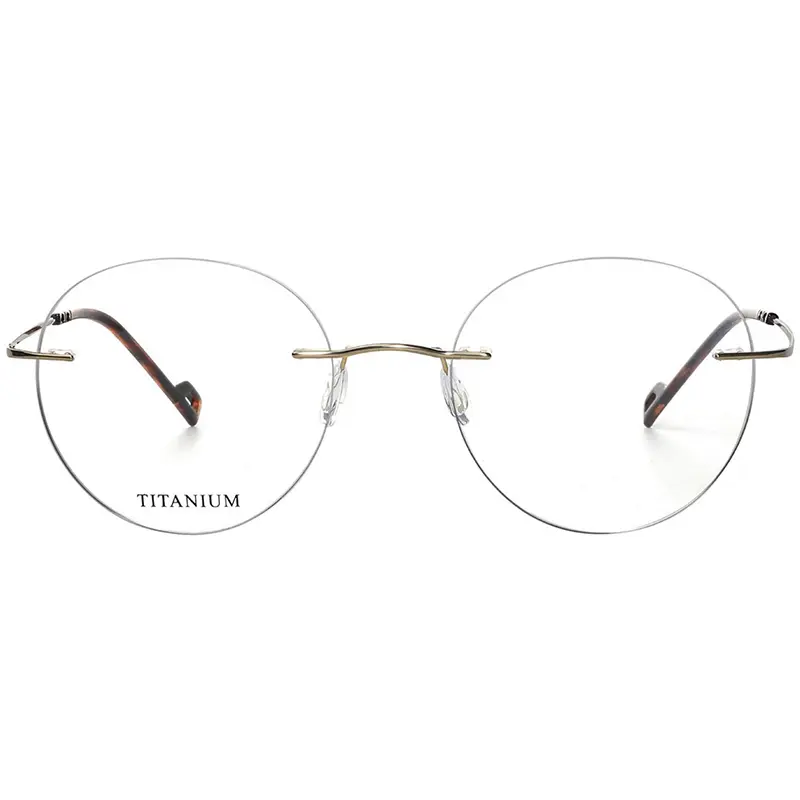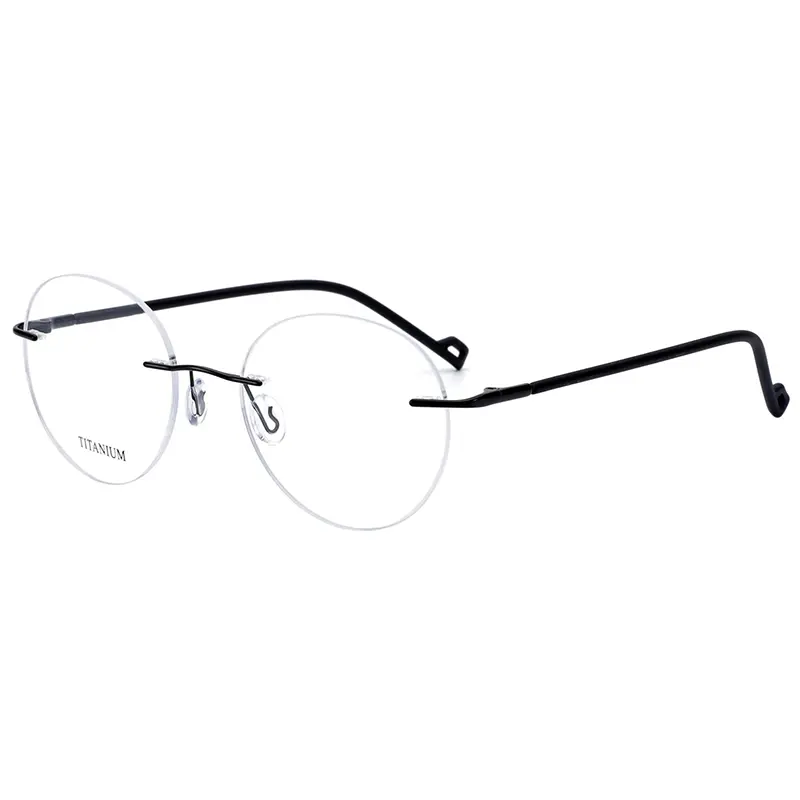

We are actively expanding our production capacity with a new injection molding line and continue to meet long-term partners at major eyewear exhibitions such as MIDO Milan and the Brazil Professional Eyewear Fair.
Clip-on glasses are often seen as an old-fashioned alternative to regular sunglasses, but modern designs have made them a practical option for people who wear prescription eyewear. Instead of carrying separate prescription glasses and sunglasses, wearers can attach a tinted lens layer to their existing optical frames whenever they need additional protection from bright outdoor light. Magnetic and mechanical clip-on systems make this transition quick and convenient, allowing one prescription frame to serve both indoor and outdoor needs.
Today's clip-on eyewear is available in different shapes, attachment systems and lens colours. Well-matched designs follow the outline of the original frame, creating a more integrated appearance than traditional oversized attachments. For commuters, drivers and people who frequently move between indoor and outdoor environments, clip-ons offer a simple way to adapt eyewear without changing the prescription frame.

Clip-on glasses consist of a regular optical frame and a detachable tinted lens attachment. The optical frame holds the prescription lenses, while the clip-on component provides an additional sun lens layer. When outdoor light becomes too bright, the attachment is fitted over the front of the frame. It can be removed when the wearer returns indoors.
The main advantage is that the prescription lenses remain in the same frame throughout the day. There is no need to carry a second pair of prescription sunglasses or switch between two different frames.
Clip-on attachments are generally designed to match the size and shape of a specific frame. Proper alignment helps maintain a neat appearance and reduces unwanted movement during normal use.
Two common attachment methods are magnetic systems and mechanical clips. Both allow the sun lens attachment to be removed, but their structures and fitting requirements are different.
Magnetic clip-ons use small magnets positioned at matching points on the optical frame and sun lens attachment. The magnets help the two components connect quickly and keep the attachment aligned during normal wear.
The main benefits include convenient installation, a clean front appearance and fewer visible mechanical parts. The strength and positioning of the magnets are important because poor alignment may cause the attachment to shift or detach.
Mechanical clip-ons use clips, hooks or other physical fastening structures to hold the tinted attachment in place. These systems do not rely on magnetic connections and can be designed for different frame shapes and construction requirements.
The attachment should fit securely without scratching the original frame or applying excessive pressure to its edges. Clip position, material thickness and frame geometry all affect the final fit.
Clip-on eyewear offers several practical advantages for people who regularly use prescription glasses.
● One Prescription Frame for Different Environments: Wearers can keep their regular prescription frame and attach a sun lens layer when moving outdoors.
● Convenient Switching: Magnetic and mechanical systems allow the tinted attachment to be installed or removed without changing the main optical frame.
● Reduced Need for a Second Pair: A clip-on attachment may cost less than purchasing a separate pair of prescription sunglasses, although the actual cost depends on the frame and lens specifications.
● Consistent Frame Fit: The wearer continues using the same prescription frame, so there is no need to adapt to a different frame's bridge, temple or lens position.
● Compact Everyday Solution: Instead of carrying two complete pairs of glasses, the wearer only needs to bring the detachable sun attachment when outdoor use is expected.
Although clip-on glasses are convenient, the attachment must be compatible with the optical frame. A poorly fitted clip-on may move during use, affect the appearance of the frame or make installation inconvenient.
The clip-on should match the front shape and dimensions of the optical frame. Differences in lens width, bridge position or frame contour can create visible gaps or alignment problems. Custom-matched attachments are generally designed around the corresponding frame model.
Magnets, clips and connection points should hold the sun attachment securely during normal movement. At the same time, the attachment should be easy to remove without damaging the frame surface.
Clip-on lenses are available in different tint colours and specifications. Polarized options can help reduce reflected glare from roads and water, while UV protection should be selected according to the intended use and verified lens specifications. Tint darkness alone does not indicate the level of UV protection.
The detachable component needs to be stored separately when it is not in use. A suitable protective case helps prevent scratches, bending and accidental loss. This is one of the practical trade-offs compared with wearing a single pair of sunglasses.
Clip-on eyewear can be useful in situations where people frequently alternate between indoor and outdoor environments.
● Commuting: Commuters can use their regular prescription glasses indoors and attach the tinted layer when walking outside in bright daylight.
● Driving: A suitable sun attachment can help reduce glare during daytime driving. Drivers should choose lenses appropriate for driving conditions and ensure that tint levels do not compromise visibility. Very dark lenses may be unsuitable for low-light conditions.
● Outdoor Activities: Clip-ons can provide an additional tinted lens option for walking, sightseeing and other everyday outdoor activities.
● Travel: People who prefer to travel light may find a detachable sun lens more convenient than carrying a second pair of prescription sunglasses.
● Daily Office Use: Wearers can remove the tinted attachment when returning indoors and continue using the same prescription frame.
Clip-on glasses and prescription sunglasses solve similar problems in different ways. The right choice depends on wearing habits, appearance preferences and the need for convenience.
| Comparison | Clip-On Glasses | Prescription Sunglasses |
|---|---|---|
| Prescription Frame | Uses the existing optical frame | Requires a separate prescription frame |
| Switching | Detachable sun attachment | Requires changing glasses |
| Storage | Attachment needs separate storage | Entire second pair needs storage |
| Appearance | Depends on how closely the attachment matches the frame | Designed as a complete pair of sunglasses |
| Cost Consideration | May reduce the cost of adding sun protection to an existing prescription frame | Requires a separate frame and prescription lenses |
| Best Suited For | People who value convenient switching | People who prefer a dedicated sunglasses design |
Clip-ons are not automatically better for every wearer. People who spend long periods outdoors or prefer a fully integrated sunglass design may find dedicated prescription sunglasses more suitable. Those who frequently switch between indoor and outdoor settings may prefer the flexibility of a detachable attachment.
Because clip-on eyewear has separate connection points and removable components, proper handling helps maintain its fit and appearance.
● Handle Carefully: Attach and remove the sun lens according to the frame's intended fitting direction. Avoid pulling or twisting the attachment with excessive force.
● Clean Both Components: Use a microfiber cloth and suitable eyewear cleaning solution to clean the optical lenses and detachable sun lenses.
● Check the Connection Points: Inspect magnets, clips and contact areas regularly for dirt, looseness or visible damage.
● Store Separately: Keep the detachable component in a protective case when not in use to reduce scratches and accidental loss.
● Avoid Excessive Heat: Do not leave the frame or attachment in a hot vehicle or near strong heat sources, as high temperatures may affect frame materials and lens coatings.
A well-designed clip-on should match the optical frame in shape, size and connection position. Magnetic systems offer quick attachment, while mechanical systems provide another way to secure a detachable sun lens. Both require accurate frame matching, stable connections and suitable lens specifications.
For eyewear manufacturers and brands, clip-on development involves more than producing a tinted attachment. The optical frame, connection structure, lens outline and overall appearance need to be considered together. Interstel Eyewear develops optical frames in different materials and styles, including acetate optical frames, metal frames and optical frame collections.
To learn more about our eyewear manufacturing capabilities or discuss frame design and custom development, please contact Interstel Eyewear.