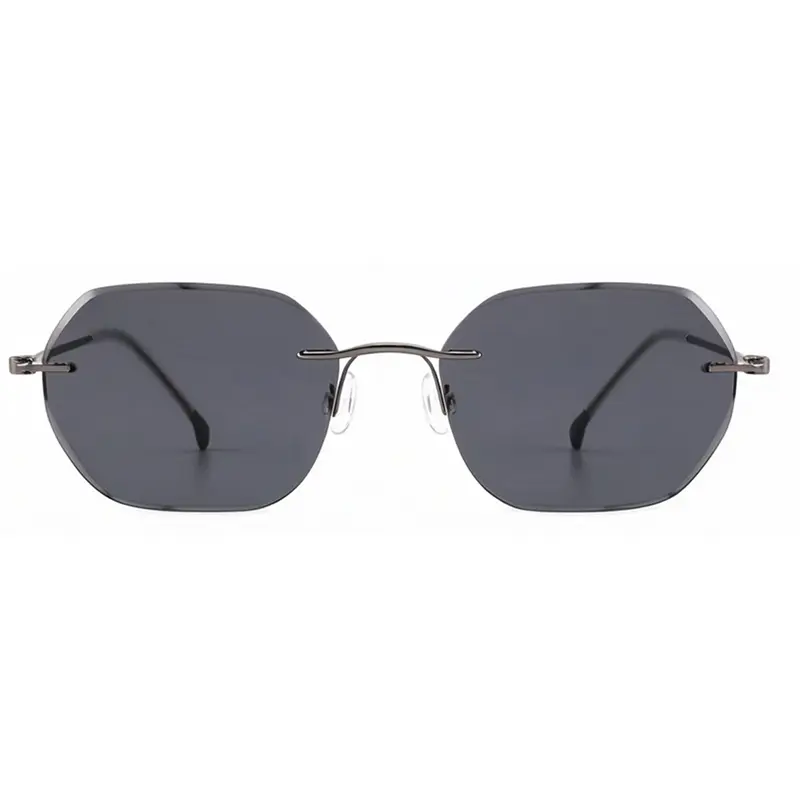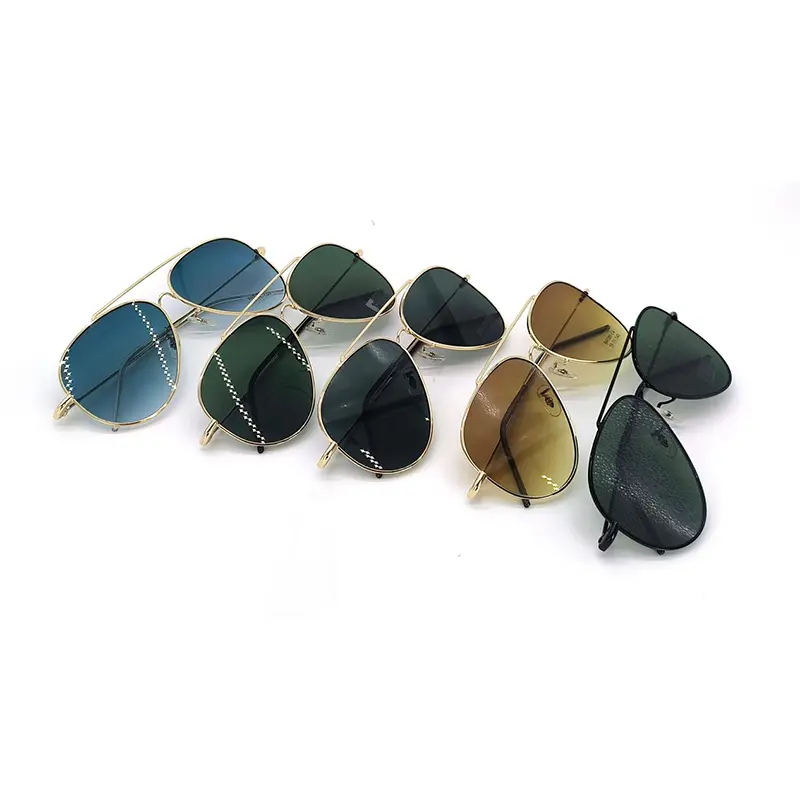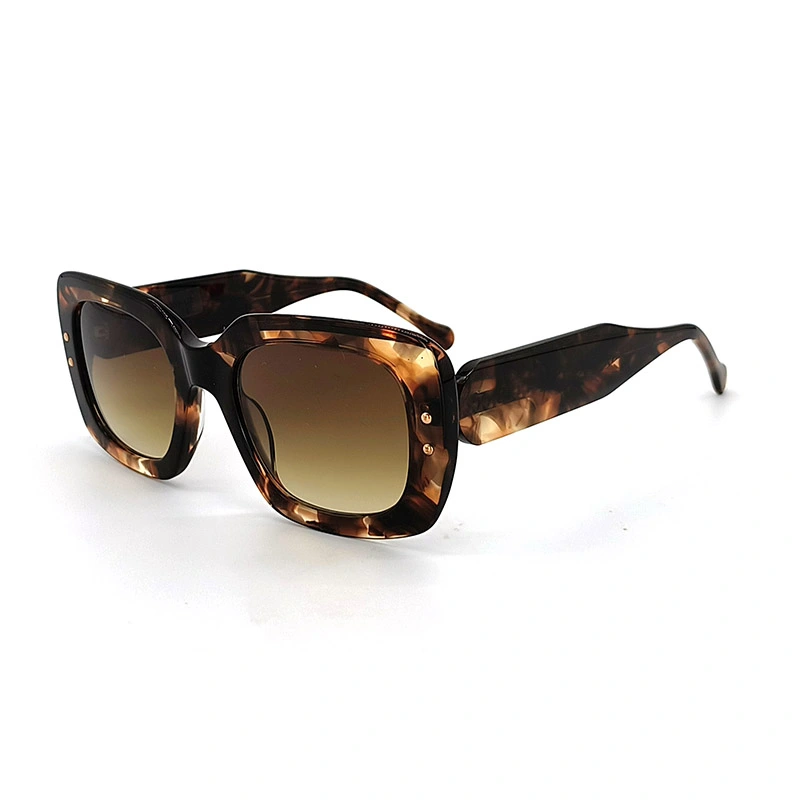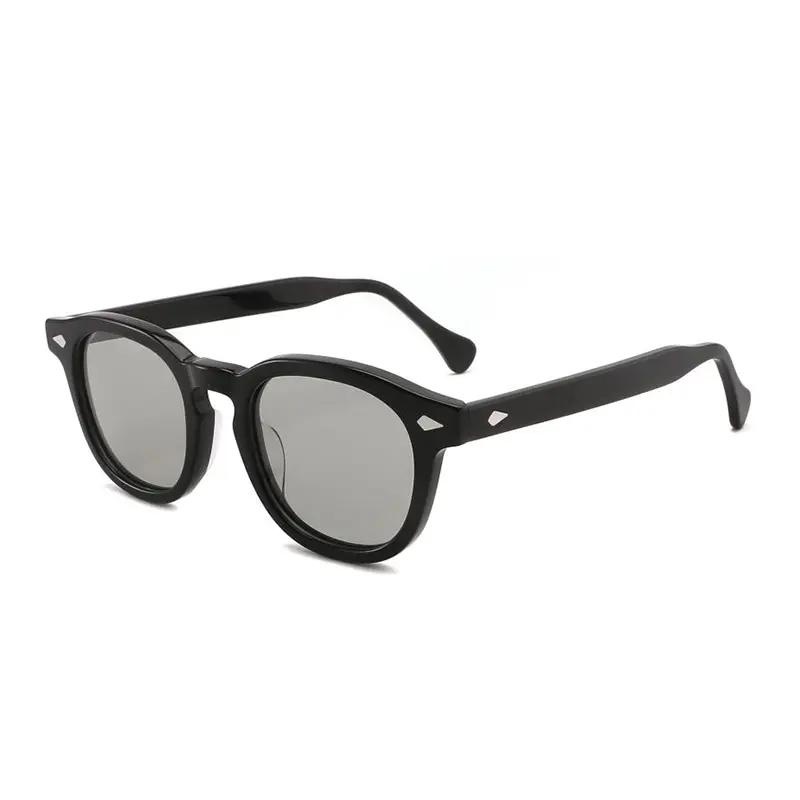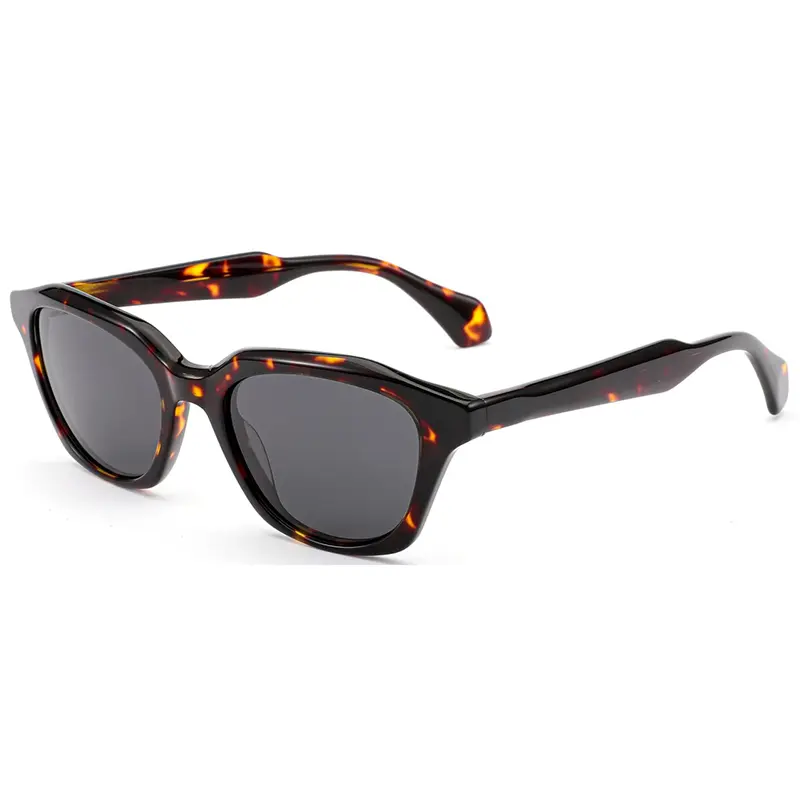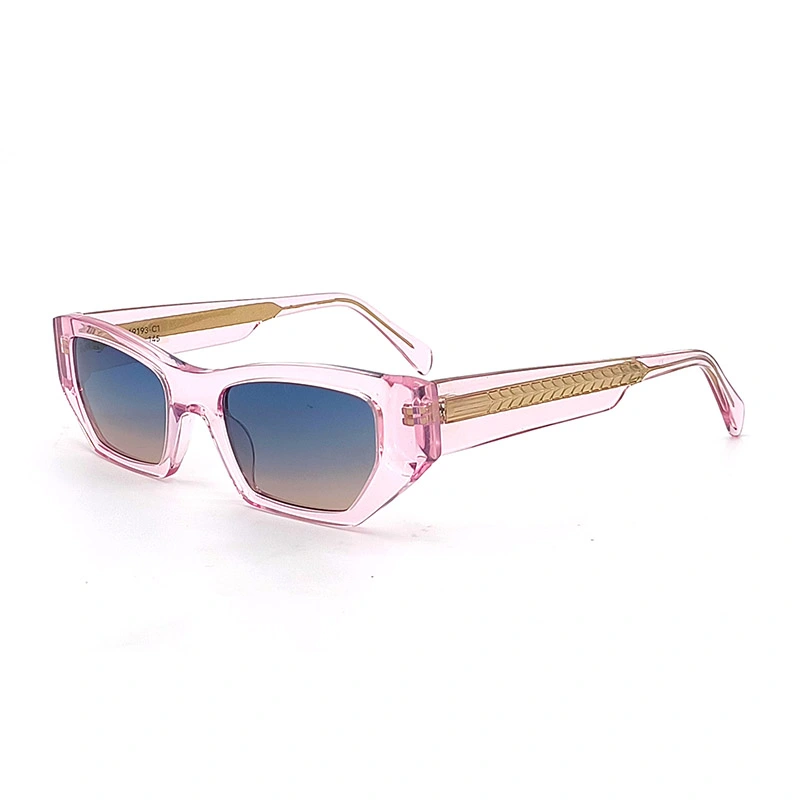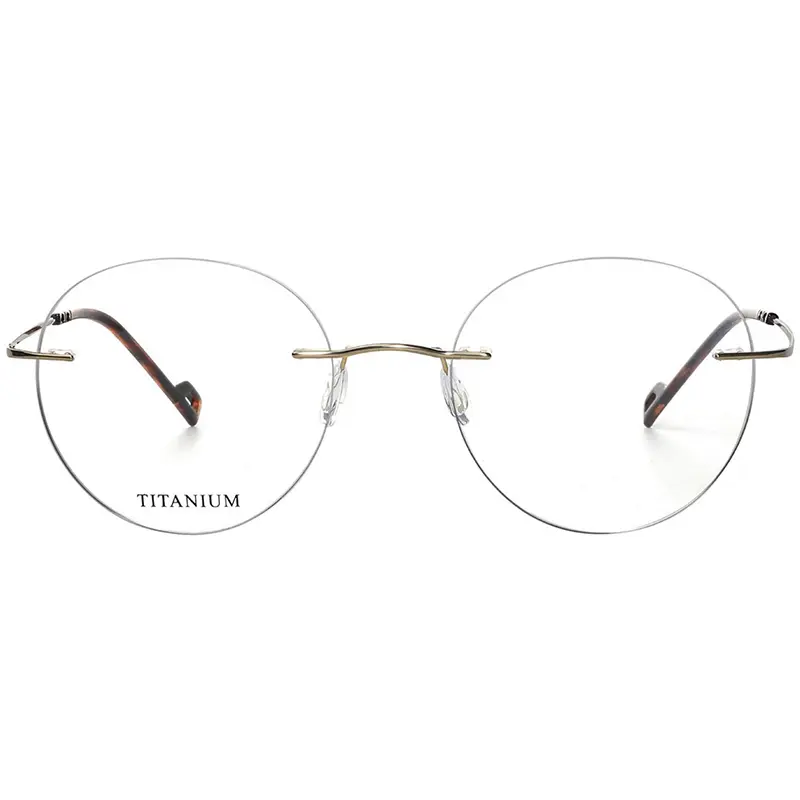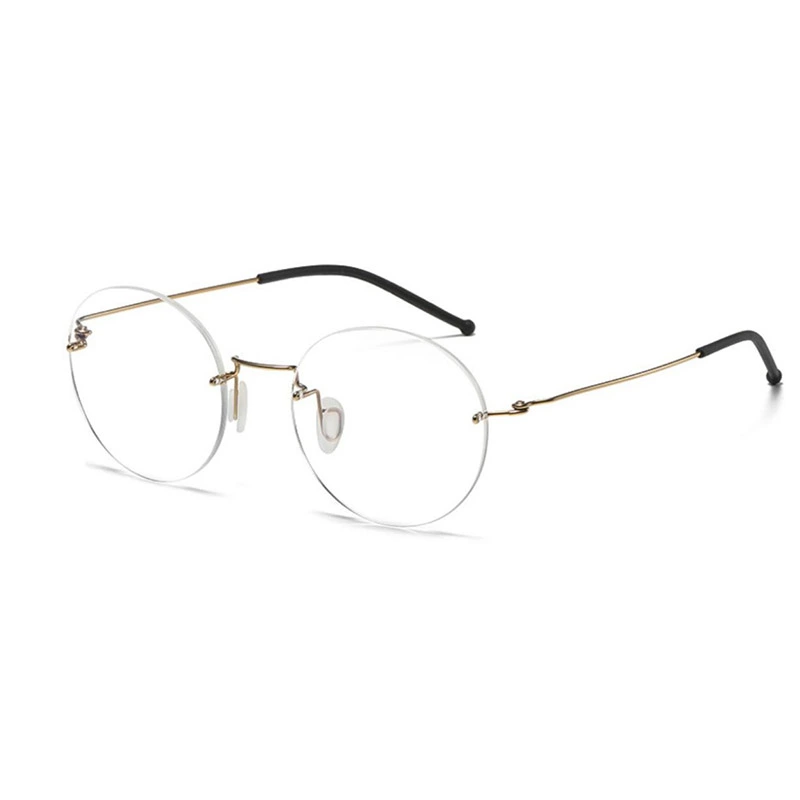

Our core product lines cover premium acetate, metal and titanium prescription optical frames, with sunglasses and upcoming plastic injection frames as supplementary options for global OEM & ODM customization.
Interstel Eyewear supplies sunglasses in acetate, metal, TR90 and titanium, combining UV protection requirements with different frame styles and wearing preferences. The collection covers everyday eyewear, outdoor use and fashion-oriented designs, with stock and OEM/ODM options available for different product programs.
With in-house design capabilities and established inspection workflows, we support frame selection, lens specifications, logo application and packaging arrangements. Styles can also be coordinated with our acetate optical frames, metal optical frames and other eyewear collections.
Choose frame materials according to style, weight and intended use. Lens configurations can be specified by UV protection, polarization and visible light transmission requirements.
Different models serve different purposes. Daily-use styles generally focus on comfortable wear and versatile appearance, while outdoor designs may require darker lenses, polarization or specific lens transmission categories. The appropriate specification depends on the intended environment rather than appearance alone.
Interstel Eyewear offers different frame materials and lens configurations to support everyday, fashion and outdoor collections.
UV protection, polarization and visible light transmission are separate characteristics. A dark lens is not automatically a UV-protective lens, and polarization does not replace UV protection. These specifications should be confirmed independently when defining a product.
Suitable for fashion-led collections, with a broad range of colors, patterns and frame shapes for daily and leisure wear.
Offer slim profiles and structured designs, suitable for urban casual styles and understated business-inspired looks.
Lightweight and flexible, making them an option for sports-oriented designs, outdoor use and children's styles.
Known for their lightweight construction and corrosion resistance, suitable for premium and comfort-focused collections.
Lens selection should consider both UV protection and visible light transmission. UV400 and polarized lenses describe different performance characteristics, while Cat.1 to Cat.4 indicate visible light transmission categories. They should not be treated as interchangeable ratings.
| Lens Category | Typical Light Conditions | Application Guidance |
|---|---|---|
| Cat.1–Cat.2 | City daily wear and moderate-brightness outdoor conditions. | Suitable for general outdoor use. Driving suitability depends on the lens specification and applicable requirements. |
| Cat.3 | High-glare environments, including coastal areas, fishing and strong sunlight. | Driving use requires confirmation of traffic signal recognition performance under the applicable standard. |
| Cat.4 | Extreme brightness, such as snowfields and desert environments. | Not suitable for road driving. |
UV400 lenses are designed to provide UV protection up to 400 nm. Polarized lenses help reduce reflected glare from surfaces such as water and roads. A lens can combine polarization with UV400 protection, but each feature should be specified and verified separately.
| Frame Type | Common Applications | Key Considerations |
|---|---|---|
| Acetate | Fashion daily wear, streetwear and leisure collections. | Frame color, pattern, silhouette and overall styling. |
| Titanium | Premium outdoor use and long-time daily wear. | Lightweight construction, corrosion resistance and wearing comfort. |
| TR90 | Sports-oriented designs, outdoor activities and children's eyewear. | Flexibility, low weight and impact-related design requirements. |
| Metal | Urban casual wear and business-inspired leisure styles. | Frame profile, structural design and surface finish. |
For outdoor collections, lens category and UV protection should be selected according to the expected light conditions. For fashion collections, frame material, color and lens appearance can be coordinated to create a consistent product range.
Interstel Eyewear supports product adjustments for different collection requirements. The available options depend on the selected frame construction, material and production method.
Frame silhouettes, dimensions, colors and surface finishes can be selected or developed according to the product design. Premium Mazzucchelli acetate sheets are available as an upgrade option.
Lens options include UV400 protection, polarization, lens colors and visible light transmission categories. Driving-grade Cat.3 testing can be discussed when required.
Available marking methods include printing, laser engraving, hot stamping, UV decals and embedded metal badges, subject to the frame material and design.
Packaging can be adjusted with custom dust bags, cases, labels and outer packaging to match the product positioning and brand presentation.
Existing moulds and stock styles generally have shorter preparation times. New-mould ODM projects require additional design, sampling and confirmation stages. The production schedule and MOQ vary according to material, construction and customization scope.
Product inspection covers frame construction, lens performance and relevant material requirements. The applicable checks depend on the destination market and the specifications agreed for each model.
Products are specified with reference to applicable EN ISO 12312-1 requirements for general sunglasses.
EU REACH requirements are considered. Relevant SVHC documentation can be provided upon request.
Metal components intended for skin contact are assessed against applicable EN 16128 nickel release requirements.
Internal hinge testing includes a 5,000-cycle opening and closing test.
| Inspection Item | Inspection Detail | Availability |
|---|---|---|
| Lens Performance | UV protection, lens category and other agreed optical specifications. | According to product requirements. |
| Traffic Signal Recognition | Q-factor testing for Cat.3 lenses intended for driving-grade applications. | Available upon request. |
| Salt Spray Test | 48-hour neutral salt-spray testing for metal frames. | Available upon special request. |
| Frame & Hinge | Visual inspection, assembly checks and hinge opening/closing durability. | Part of internal inspection workflows. |
Each pair is normally packed with an individual dust bag and protective polybag. Export cartons are prepared with suitable shock-absorbing filler to reduce the risk of damage during transportation.
Custom packaging can be arranged according to the product and brand requirements. Customers can specify packaging details such as printed cases, labels, dust bags and outer cartons during order confirmation.
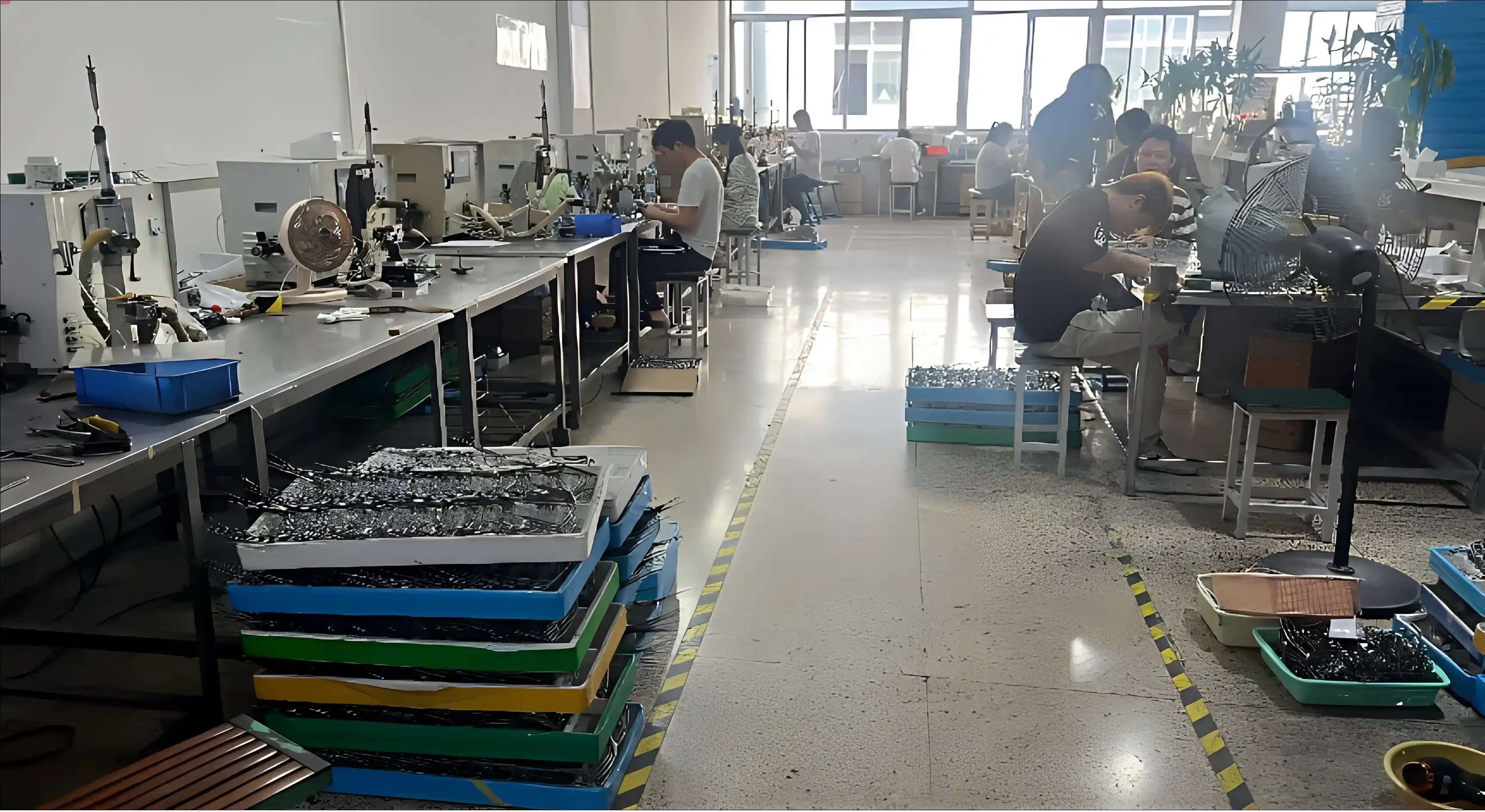
Stock orders and customized production follow different preparation schedules. For mixed orders, product availability, packaging requirements and shipment arrangements should be confirmed before dispatch. Related collections include clip-on eyewear and magnetic clip-on sunglasses.
Interstel Eyewear provides a 12-month warranty from the date of delivery for manufacturing defects covered by the agreed product warranty terms.
● Faulty welding or structural assembly caused by production.
● Hinge defects affecting normal opening and closing.
● Abnormal coating failure attributable to manufacturing.
● Lens optical performance defects caused by production.
● Normal scratches and wear from daily use.
● Damage caused by impact, dropping or improper handling.
● Damage caused by chemicals or excessive heat.
● Damage resulting from improper disassembly or modification, and natural ageing.
EN ISO 12312-1 is the relevant product standard for general sunglasses. Metal components intended for skin contact are subject to applicable EN 16128 nickel release requirements. The exact documentation depends on the product specification and market requirements.
EU REACH requirements are considered for applicable materials and components. Relevant SVHC documentation can be discussed and provided upon request, depending on the product and available test records.
Mixed orders can be discussed for acetate, TR90 and metal styles. MOQ may vary by model, material and color. Stock availability and production arrangements should be confirmed before order placement.
Available methods include printing, laser engraving, hot stamping, UV decals and embedded metal badges. The suitable method depends on the frame material, surface structure and design requirements.
The general sample lead time is approximately 30–35 working days. For custom-mould projects, bulk production generally takes around 80–100 working days after sample confirmation. Stock styles may have shorter preparation times.
TR90 is a lightweight and flexible frame material that can be used for children's eyewear designs. The final product should also be assessed for frame dimensions, fit, hinge construction and lens protection requirements.
Acetate is often selected for its colors and fashion-oriented designs. Metal supports slim and structured profiles. TR90 is lightweight and flexible, while titanium is valued for its low weight and corrosion resistance. The right material depends on the design, wearing conditions and target price range.
Not all Cat.3 lenses are suitable for driving. Driving-grade use requires confirmation of traffic signal recognition performance through the applicable Q-factor test. Cat.4 sunglasses are not suitable for road driving.
Contact Interstel Eyewear to discuss frame materials, lens specifications, logo application, packaging and stock or OEM/ODM arrangements for your next eyewear collection.
Contact Interstel Eyewear