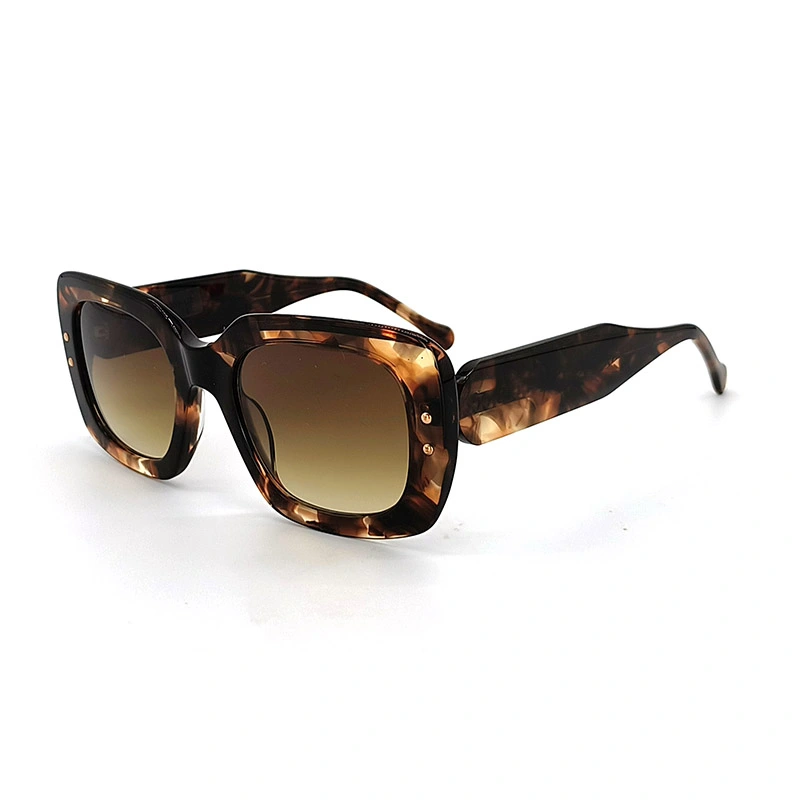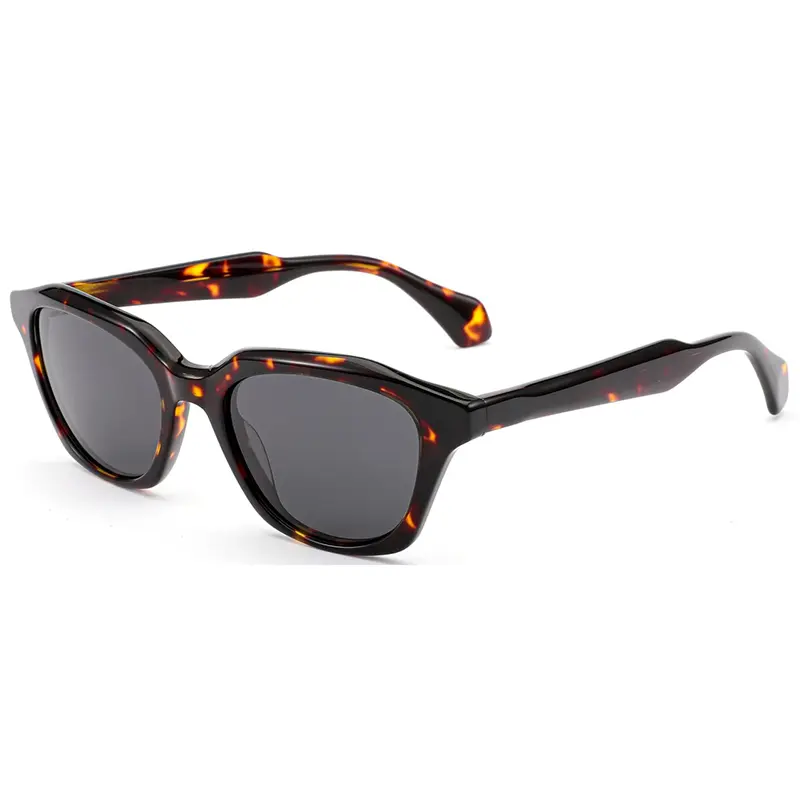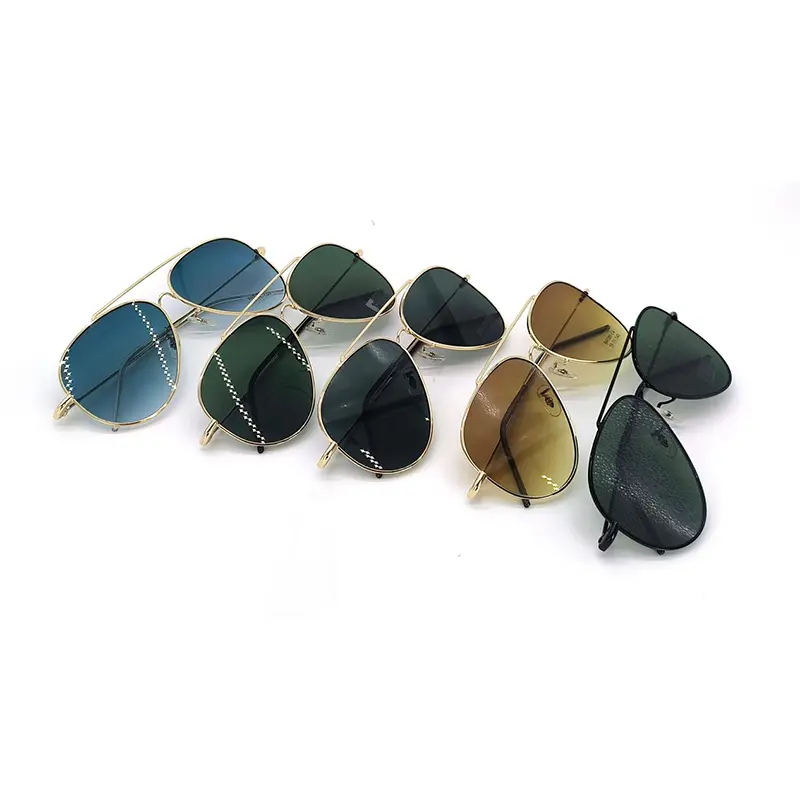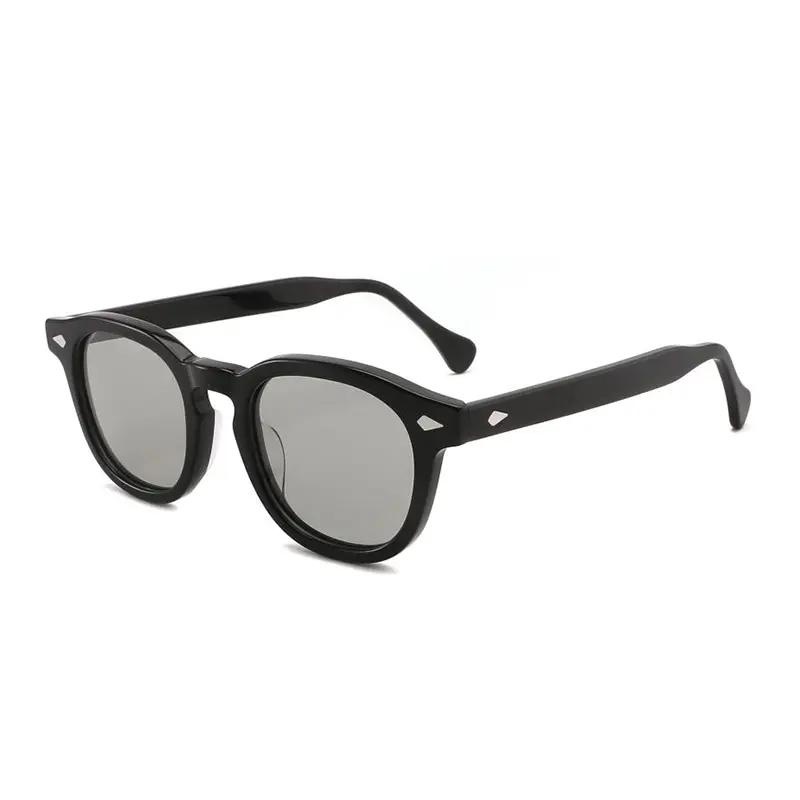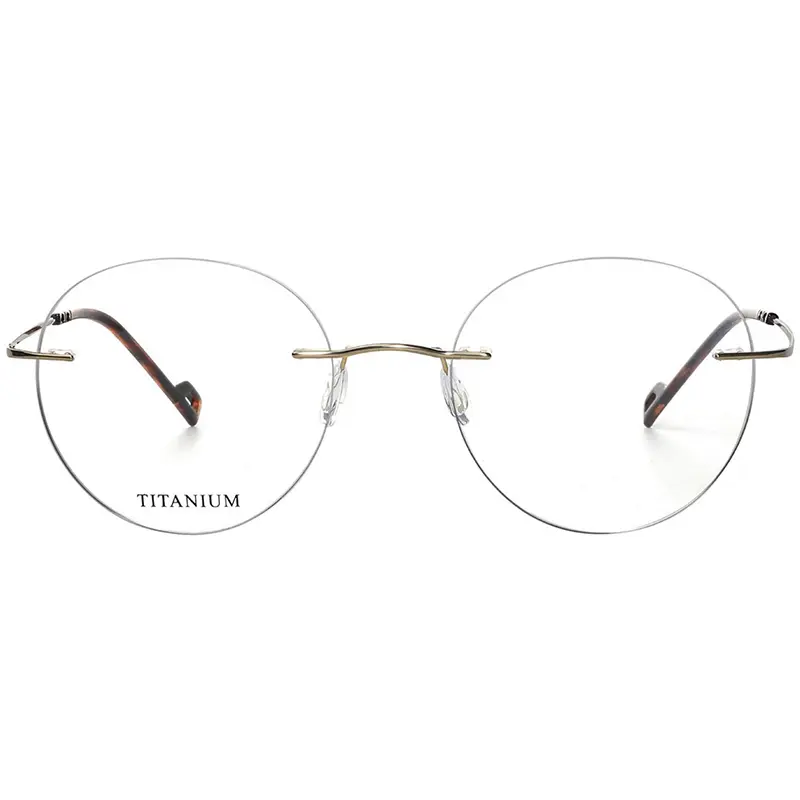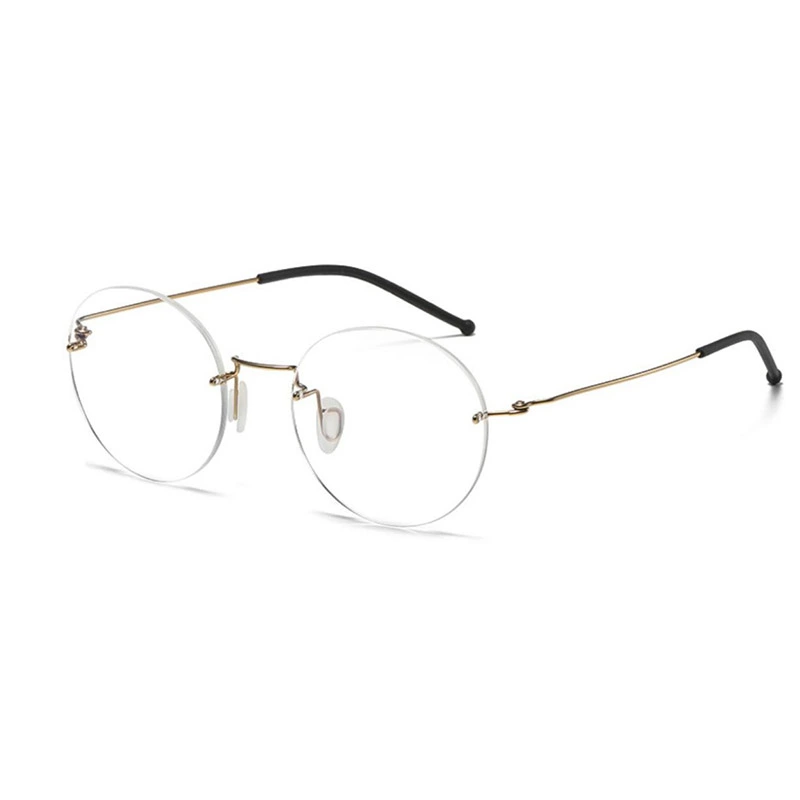

Our core product lines cover premium acetate, metal and titanium prescription optical frames, with sunglasses and upcoming plastic injection frames as supplementary options for global OEM & ODM customization.
Interstel Eyewear supplies UV400 Protection Sunglasses with acetate, metal, TR90 and titanium frame options. UV380 and UV400 lens specifications are available for different market requirements, with third-party laboratory test reports provided to verify ultraviolet protection performance.
For collections intended for European markets, UV380 is a commonly supplied baseline specification, while UV400 is available as an upgraded option for customers seeking an extended ultraviolet protection range. Lens tint, filter category and polarization can be selected separately according to the intended use and product positioning.
UV protection is determined by the lens material and its ultraviolet-absorbing properties, rather than by how dark the lens appears. Interstel Eyewear offers different lens specifications to meet market requirements, including UV380 and UV400 options.
UV380 lenses provide ultraviolet protection up to 380 nm. This specification is widely used in sunglasses supplied for European markets and meets the baseline UV protection requirement referenced for EN ISO 12312-1 compliance.
It is a practical option for standard sunglasses collections where the required UV performance is aligned with the applicable market specification.
UV400 lenses extend the ultraviolet cutoff to 400 nm, covering the UVA and UVB ranges, including the near-ultraviolet band between 380 nm and 400 nm.
This option is suitable for collections positioned around extended UV coverage. UV400 can be specified as an upgraded lens feature for selected frame styles.
| Specification | UV380 | UV400 |
|---|---|---|
| Ultraviolet cutoff | Up to 380 nm | Up to 400 nm |
| Protection range | UVA and UVB within the specified range | UVA and UVB, including the 380–400 nm band |
| Market positioning | Common baseline specification | Extended UV protection option |
| Availability | Available lens specification | Optional upgraded specification |
Ultraviolet protection comes from the lens material itself or from a functional UV-absorbing treatment. These components reduce the amount of ultraviolet radiation transmitted through the lens. A darker tint does not automatically provide a higher level of UV protection.
For this reason, visual appearance alone cannot confirm whether a pair of sunglasses meets UV380 or UV400 requirements. Spectral transmittance testing is needed to verify the actual UV performance across the relevant wavelength range.
Interstel Eyewear can arrange third-party laboratory testing for applicable lens specifications. Relevant test reports can be provided to support product evaluation and documentation requirements. This verification process is particularly important when specifying UV400 Protection Sunglasses for markets with defined product compliance requirements.
Lens filter categories classify sunglasses according to visible light transmission. They indicate how much visible light passes through the lens, not the level of ultraviolet protection. Each category can be configured with an appropriate UV380 or UV400 specification.
| Filter Category | Typical Light Conditions | Usage Notes |
|---|---|---|
| Category 1 | Low sunlight or overcast conditions | Light tint for relatively low-brightness environments |
| Category 2 | Moderate sunlight | Suitable for everyday outdoor use |
| Category 3 | Bright sunlight | Commonly selected for general outdoor and leisure sunglasses |
| Category 4 | Very strong sunlight, such as certain high-altitude or snow environments | Not suitable for driving |
Available lens appearance options include grey, brown, green, gradient and mirror finishes. Grey lenses are commonly selected for balanced color perception, while brown lenses are often preferred for outdoor leisure and marine-related activities. The final choice depends on the intended application and visual design.
UV protection and polarization serve different optical purposes. UV ratings describe how effectively a lens blocks ultraviolet radiation. Polarized lenses reduce certain types of reflected glare, such as light reflected from roads, water and other flat surfaces.
A lens can provide UV400 protection without being polarized, and a polarized lens should still have its UV performance independently verified. These two features can be combined when a product requires both ultraviolet protection and glare reduction.
For selected collections, standard polarized lenses can be supplied with UV380 performance, while UV400 is available as an upgraded specification. You can also explore our Polarized Sunglasses range for additional lens options.
Different frame materials offer distinct weight, appearance and construction characteristics. Interstel Eyewear provides multiple material options for sunglasses collections, allowing frame design and lens specifications to be matched to different product styles and market needs.
Acetate frames support a wide range of colors, patterns and surface finishes. They are suitable for fashion-focused collections that require distinctive frame profiles and varied appearance options.
Explore Acetate Optical Frames for related material and design options.
Metal frames offer slim profiles and structured designs. They can be developed in different shapes and finishes for lightweight-looking, classic or contemporary sunglasses styles.
View our Metal Sunglasses collection for more design references.
TR90 is a lightweight frame material used in designs where wearing comfort and flexible styling are important. It provides another option for casual, outdoor and everyday sunglasses collections.
Material selection can be adjusted according to the required frame structure and design.
Titanium frames are selected for their lightweight construction and refined appearance. They are suitable for collections that emphasize a clean profile and a more premium material direction.
Frame material and lens specifications can be coordinated during product development.
Different lens categories and frame designs can be selected according to the light conditions and intended activities. For UV400 Protection Sunglasses, the lens specification should be considered alongside the filter category and actual application environment.
Lens appearance and surface treatment can be selected to match the intended design and usage requirements. Available options include different tints, gradient effects and mirror finishes. A hard coating can also be applied to improve surface scratch resistance during normal handling and use.
| Item | Available Options or Requirements |
|---|---|
| UV specification | UV380 or UV400, subject to the selected lens configuration |
| Lens colors | Grey, brown, green and gradient options |
| Lens finish | Mirror coating and other available surface finishes |
| Surface treatment | Optional hard coating for improved scratch resistance |
| Polarization | Available as a separate lens function |
| Frame materials | Acetate, metal, TR90 and titanium |
UV performance and product durability need to be evaluated through different inspection procedures. Interstel Eyewear can provide relevant testing information and third-party laboratory reports for applicable product specifications.
UV spectral transmittance testing checks the amount of ultraviolet radiation passing through the lens and helps verify the specified UV380 or UV400 performance.
Luminous transmittance is checked to determine the applicable lens filter category and confirm whether the lens matches its intended light-condition classification.
Selected frame hinges undergo an opening and closing durability test of 5,000 cycles to evaluate their mechanical performance.
Applicable metal contact components are evaluated against the nickel release requirements of EN 16128.
For sunglasses intended for driving, additional Q-factor traffic signal recognition test records should be checked for the specific Category 3 model. A filter category alone does not establish that a product is suitable for road use.
When evaluating a product specification, the following records may be relevant:
● UV spectral transmittance test results
● Luminous transmittance and filter category records
● Lens surface coating information
● Hinge opening and closing durability test results
● Nickel release test records for applicable metal components
● Q-factor traffic signal recognition test records for driving-suitable Category 3 styles
Interstel Eyewear supports OEM and ODM development for sunglasses collections. Frame material, shape, color, lens tint and functional specifications can be discussed according to the target market and product positioning.
UV380 and UV400 can be specified for different models within the same collection. Polarization, mirror finishes and other lens treatments can also be considered as separate options. This allows a product range to cover different price points and usage requirements without relying on one fixed lens configuration.
For brands developing UV400 Protection Sunglasses collections, Interstel Eyewear can coordinate frame design, lens specifications and available testing documentation during product development.
For related frame styles and product options, you can also browse our Sunglasses collection or learn more About Interstel Eyewear.
UV400 indicates that the lens is designed to block ultraviolet radiation up to 400 nm. It covers the UVA and UVB ranges, including the 380–400 nm near-ultraviolet band. The actual performance should be verified through appropriate spectral transmittance testing.
No. Lens darkness is related to visible light transmission, not necessarily ultraviolet blocking performance. UV protection depends on the lens substrate or UV-absorbing treatment. A light-colored lens can provide UV400 protection if it has the appropriate UV-blocking properties.
UV380 lenses provide protection up to 380 nm, while UV400 extends the protection range to 400 nm. The additional 20 nm includes the near-ultraviolet band between 380 nm and 400 nm. UV400 can be selected as an upgraded specification when extended coverage is required.
No. UV400 describes the ultraviolet protection range, while polarization reduces certain types of reflected glare. They are independent features and can be combined in one lens. For example, a polarized lens can be specified with UV380 or upgraded to UV400, depending on the product requirements.
Only specific Category 3 models that meet the applicable driving requirements, including the Q-factor traffic signal recognition test under EN ISO 12312-1, should be considered for road driving. Category 4 sunglasses are not suitable for driving. The driving suitability of a product should always be confirmed through its test documentation.
UV-absorbing lens substrates are designed to maintain their protection performance under normal use. However, exposure to strong solvents, excessive heat or heavy surface abrasion may damage lens materials or coatings. Proper storage and cleaning help maintain the condition of the lenses.
Important inspection items include UV spectral transmittance, luminous transmittance and filter category, lens surface coating, hinge durability and nickel release for applicable metal components. For Category 3 models intended for driving, Q-factor traffic signal recognition test records should also be reviewed.
Looking for UV380 or UV400 lens options with different frame materials and designs? Contact Interstel Eyewear to discuss your sunglasses requirements, product development and available specifications.
Contact Interstel Eyewear