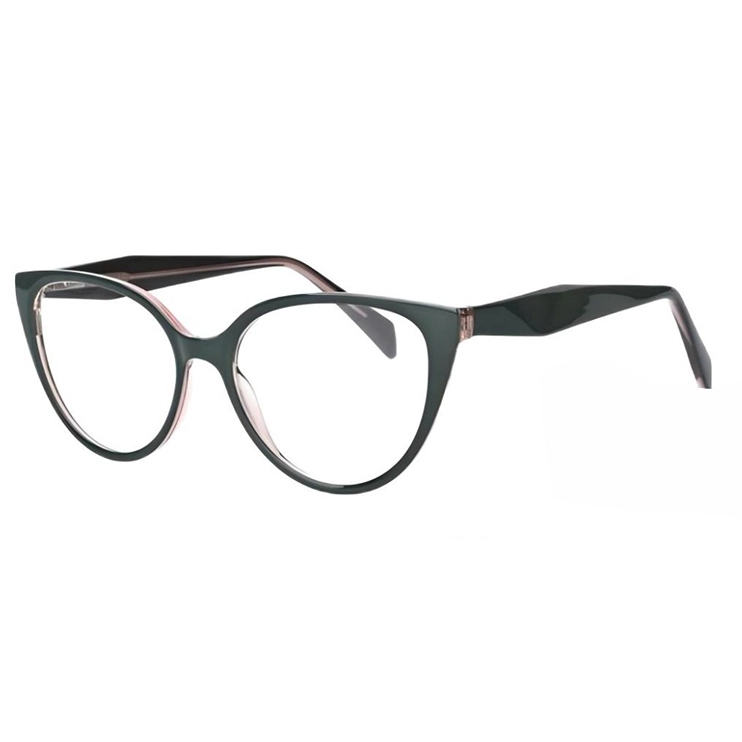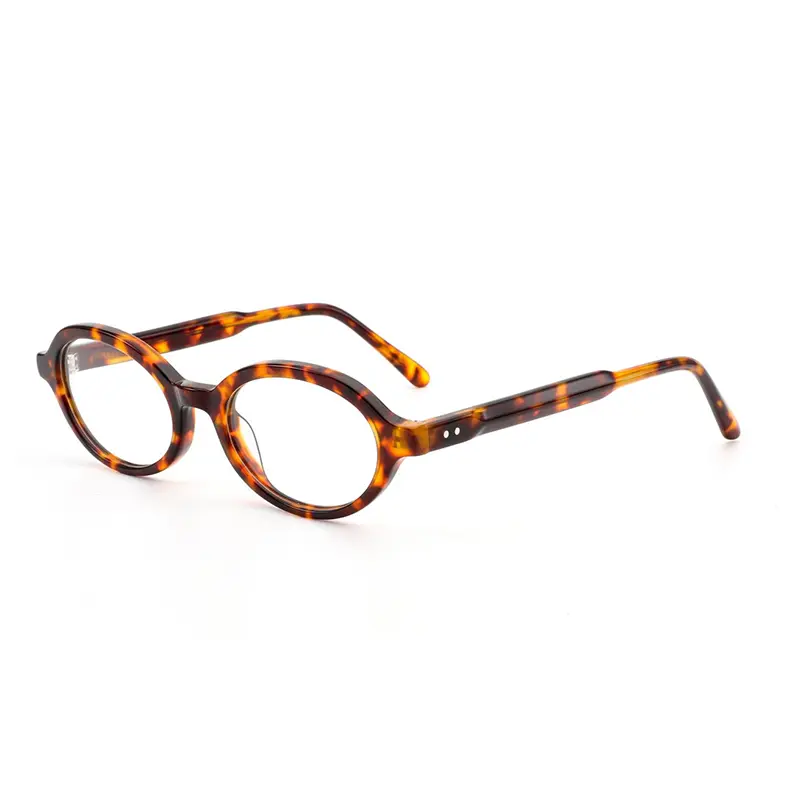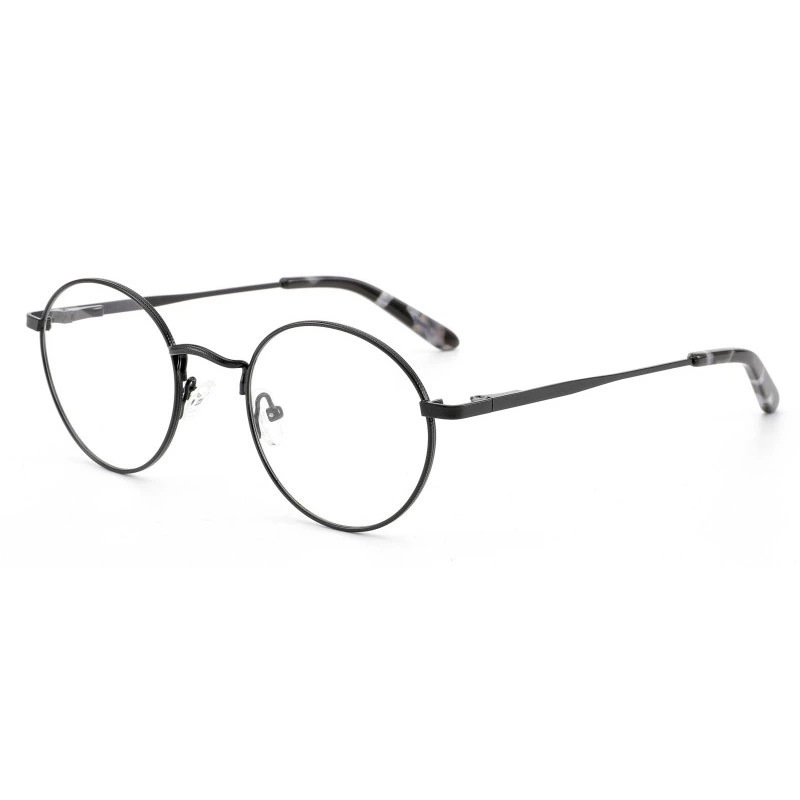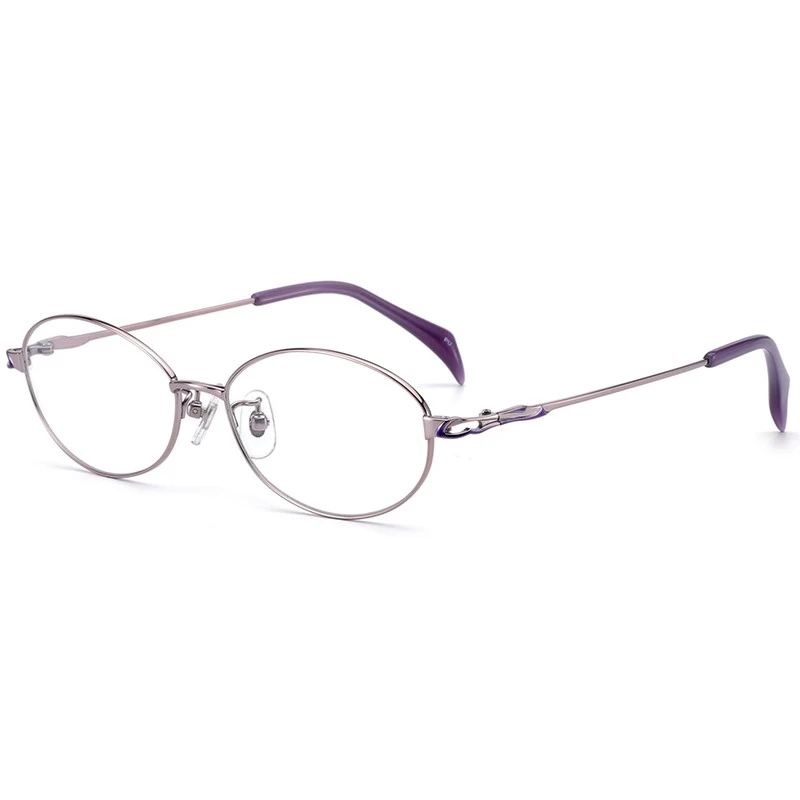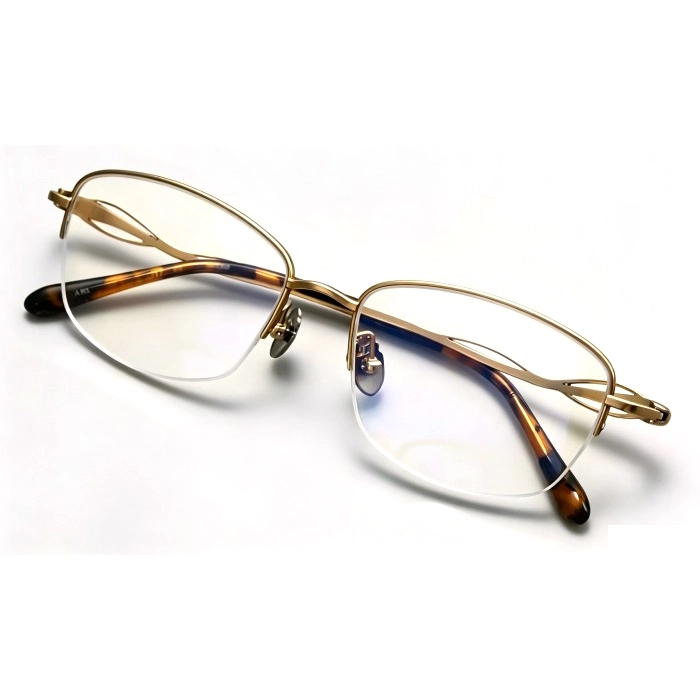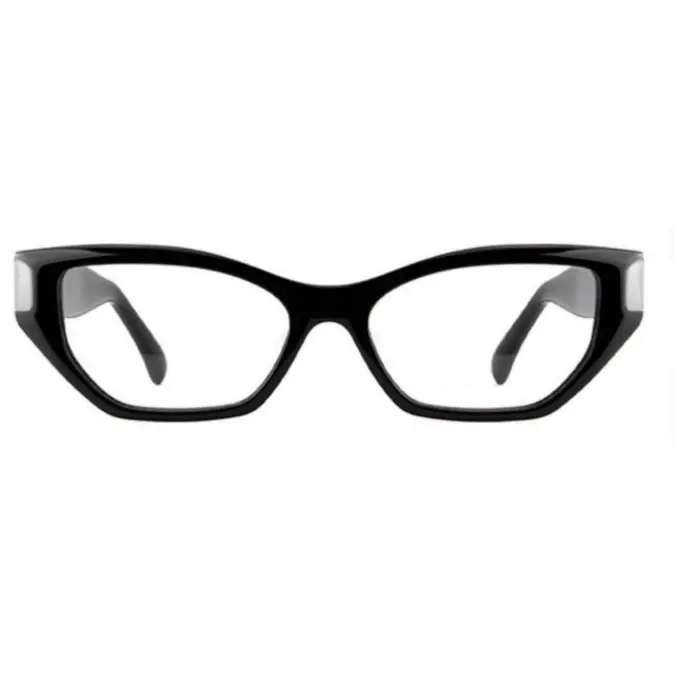

We are actively expanding our production capacity with a new injection molding line and continue to meet long-term partners at major eyewear exhibitions such as MIDO Milan and the Brazil Professional Eyewear Fair.
The frame determines the overall look of sunglasses, but the lenses influence how clearly and comfortably you see in different lighting conditions. Lens colour, polarization and surface coatings each serve a different purpose. Some reduce overall brightness, others improve contrast or minimize reflected glare. Understanding these differences makes it easier to choose sunglasses based on actual usage rather than appearance alone.

Coloured lenses filter light differently, affecting brightness, contrast and colour perception. The main differences are not simply about how dark the lenses look, but how they change the visual experience.
Grey lenses reduce overall brightness without significantly changing the appearance of surrounding colours. They are suitable for bright outdoor conditions and everyday activities where consistent colour recognition is important. This makes them a common choice for driving and general outdoor wear.
Brown and amber lenses can improve perceived contrast by filtering certain wavelengths of light. They help distinguish details in variable lighting conditions, making them suitable for hiking, cycling and other outdoor activities. They are particularly useful when the environment is partly cloudy or visually uneven.
Green lenses provide a balance between brightness reduction and colour perception. They help reduce glare while maintaining relatively natural-looking colours. For this reason, they are a versatile option for everyday sunglasses and general outdoor use.
Beyond lens colour, some sunglasses use additional technologies to address specific lighting challenges. Polarization and photochromic treatments are two common options, but they work in different ways.
Light reflected from flat surfaces such as water, roads and snow can create intense glare. Polarized lenses use a special filter to reduce much of this horizontally reflected light, helping improve visual comfort in bright environments.
They are especially useful for fishing, boating, beach activities and driving. However, the filter may make certain LCD screens, smartphones and vehicle displays appear darker or show unusual patterns. Screen visibility should therefore be considered when choosing polarized sunglasses.
Photochromic lenses change their tint in response to UV exposure. They become darker outdoors and return to a clearer state when UV exposure decreases, making them convenient for people who frequently move between indoor and outdoor environments.
The speed and degree of colour change depend on the lens material, temperature and UV conditions. Many vehicle windshields block a significant amount of UV radiation, which may limit how dark photochromic lenses become inside a car.
Unlike coloured tints that primarily affect light passing through the lens, mirror coatings create a reflective surface that sends some incoming light away. They are available in finishes such as silver, blue, gold and red, offering different styling options for fashion and sports sunglasses.
The actual light reduction depends on the coating and lens construction. A mirror finish should not be confused with UV protection: the presence of a reflective coating alone does not confirm that a lens provides adequate UV protection.
| Lens Option | Primary Function | Suitable Applications |
| Grey | Reduces brightness while maintaining natural colour perception | Driving and everyday outdoor use |
| Brown / Amber | Enhances perceived contrast | Hiking, cycling and outdoor sports |
| Green | Balances brightness reduction and colour perception | Daily wear and general outdoor activities |
| Polarized | Reduces reflected glare | Fishing, boating and driving |
| Photochromic | Adjusts tint according to UV exposure | Commuting and changing indoor-outdoor environments |
| Mirror Coating | Reflects some incoming light and changes lens appearance | Fashion and sports-inspired sunglasses |
The best lens option depends on where and how the sunglasses will be used. Rather than choosing by colour alone, consider the lighting conditions and visual requirements of your regular activities.
Grey lenses are a practical option for maintaining relatively natural colour perception in bright conditions. Polarized lenses can help reduce road glare, although compatibility with dashboard displays should be checked.
Polarized lenses are particularly useful around water because they reduce reflected glare from the surface. Lens UV protection should also be checked for extended outdoor exposure.
Brown or amber lenses can help enhance contrast when lighting conditions change throughout the day. The appropriate lens category and level of light transmission should also match the environment and activity.
Photochromic lenses offer convenience for people who regularly move between different lighting environments. Their performance in vehicles may vary depending on windshield UV filtering and lens technology.
Lens tint is only one part of overall lens performance. Before selecting a pair of sunglasses, consider these factors:
UV protection: Check the manufacturer's stated UV protection specifications rather than judging protection by lens darkness or colour.
Light transmission: Consider how much visible light passes through the lens and whether the lens category is suitable for the intended environment.
Polarization: Decide whether reducing reflected glare is important for your regular activities, and consider compatibility with digital displays.
Lens material and coating: These affect factors such as weight, durability, surface appearance and maintenance requirements.
For eyewear brands developing sunglasses collections, offering different tint colours, polarized options and mirror finishes can help cover a wider range of styling preferences and usage needs. Explore Interstel Eyewear products or contact our team to discuss frame and lens combinations for your collection.