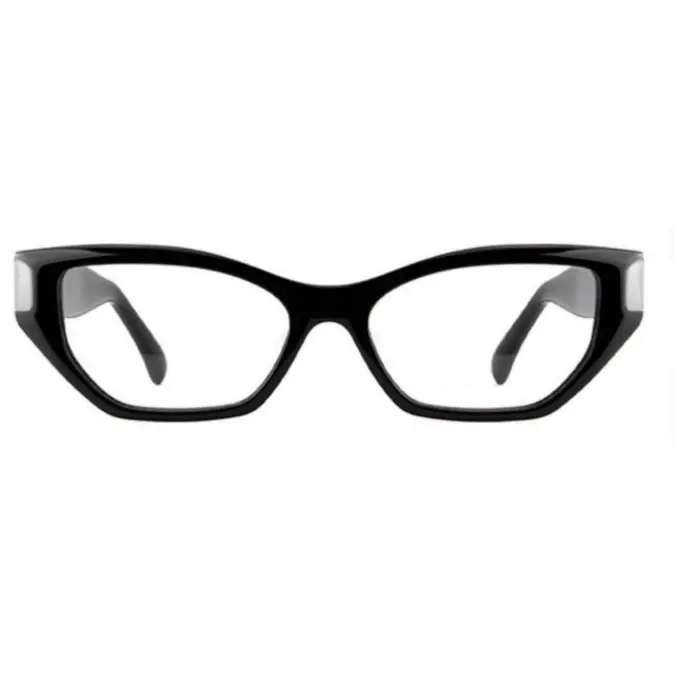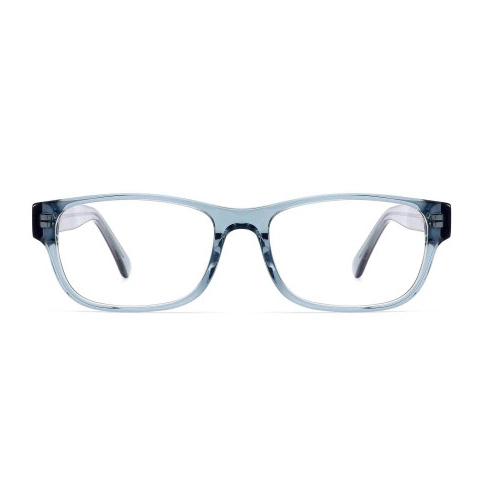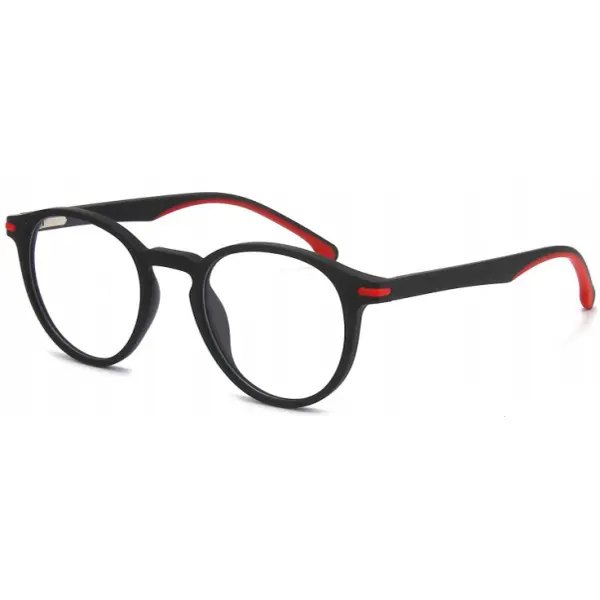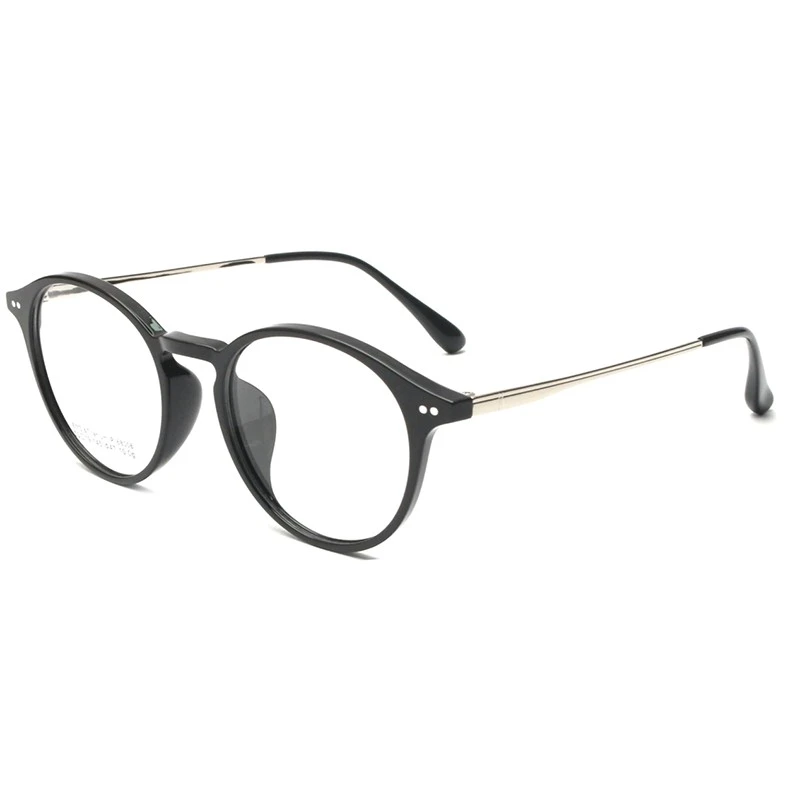

We are actively expanding our production capacity with a new injection molding line and continue to meet long-term partners at major eyewear exhibitions such as MIDO Milan and the Brazil Professional Eyewear Fair.
Choosing eyeglasses involves more than finding a frame that looks attractive. A well-fitted frame affects lens positioning, wearing comfort and visual performance throughout the day. Pupillary distance, bridge width, lens size and temple length all influence how the glasses sit on the face and how prescription lenses align with the eyes. Whether selecting everyday optical frames, lightweight titanium styles or classic acetate designs, understanding these fitting factors can help prevent common problems such as pressure around the nose, loose temples and uncomfortable lens positioning.

Many people choose eyewear mainly by looking at its shape and colour in the mirror. However, frame dimensions also determine how the lenses sit in front of the eyes. If a frame is too wide or too narrow, the optical positioning and overall fit may be affected.
For prescription eyewear, the optical centres of the lenses should be positioned according to the wearer's pupillary distance and fitting measurements. Incorrect lens positioning may cause visual discomfort, especially with stronger prescriptions or certain lens designs. A frame that is too narrow may create pressure around the temples, while one that is too wide may slide down the nose or sit unevenly.
Comfort should therefore be evaluated together with appearance. The frame should remain stable during normal movement without creating excessive pressure on the nose, ears or sides of the head.
Most optical frames display three main measurements on the inside of the temple, such as 54-17-145. These numbers usually represent lens width, bridge width and temple length in millimetres.
| Measurement | What It Means | Why It Matters |
|---|---|---|
| Lens Width | Horizontal width of one lens | Affects frame proportions and lens size |
| Bridge Width | Distance between the two lenses across the nose | Influences how the frame rests on the nose |
| Temple Length | Length of the arms extending towards the ears | Helps determine stability and pressure behind the ears |
These measurements provide a useful starting point, but they do not guarantee a proper fit on their own. Frame shape, bridge design, lens height and individual facial proportions also need to be considered. For prescription eyewear, an optician should confirm the fitting measurements before lens production.
The bridge connects the two sides of the frame and determines how the glasses rest on the nose. A bridge that is too narrow may create pressure, while one that is too wide may allow the frame to slide down during daily wear.
Different nose pad designs suit different frame constructions and facial features:
● Adjustable Nose Pads: Commonly used on metal and titanium frames. They allow opticians to adjust the position and angle of the frame to improve contact with the nose.
● Integrated Acetate Bridges: Formed as part of the frame front. Their fit depends on the bridge shape, width and contact area.
● Silicone Nose Pads: Often used to provide a softer contact surface and improve grip, depending on the pad design and material.
For progressive lenses or certain high-prescription designs, fitting height and frame positioning are particularly important. The frame should be assessed together with the intended lens design rather than selected by appearance alone.
Frame materials influence weight, appearance, flexibility, maintenance and overall wearing experience. Acetate, titanium and stainless steel are commonly used in optical eyewear, but each has different characteristics.
Acetate is known for its colour variety, layered patterns and polished surface. It is widely used for full-rim optical frames and fashion-oriented designs. The material can be cut, shaped and polished into different frame contours, making it suitable for classic, retro and contemporary styles.
Acetate frames can generally be adjusted by trained opticians using appropriate heating equipment. The actual fit and wearing stability depend on frame dimensions, bridge construction and temple adjustment.
Explore our acetate optical frames for different frame shapes, colours and material finishes.
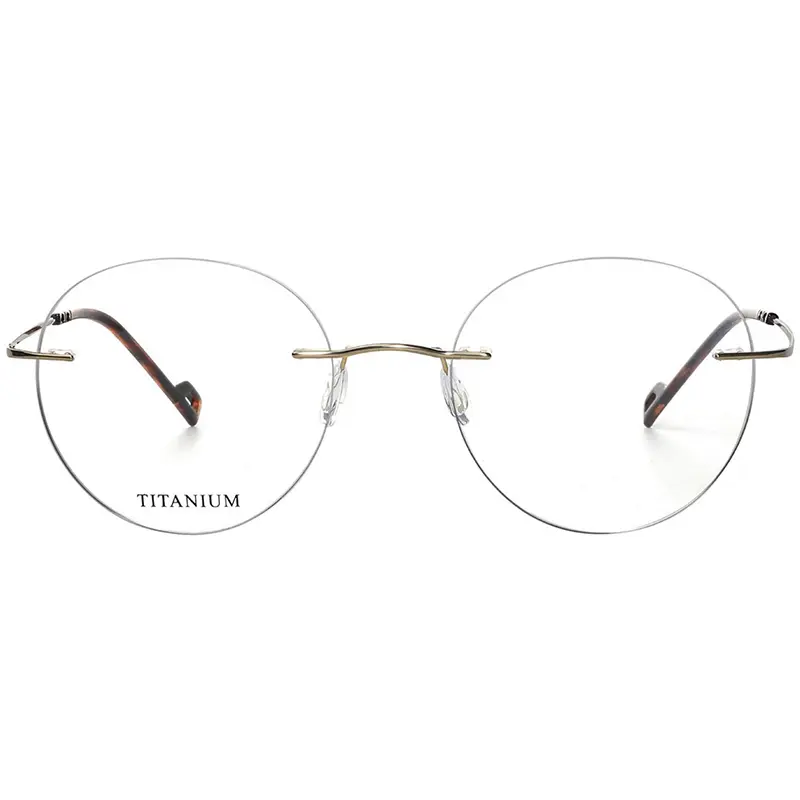
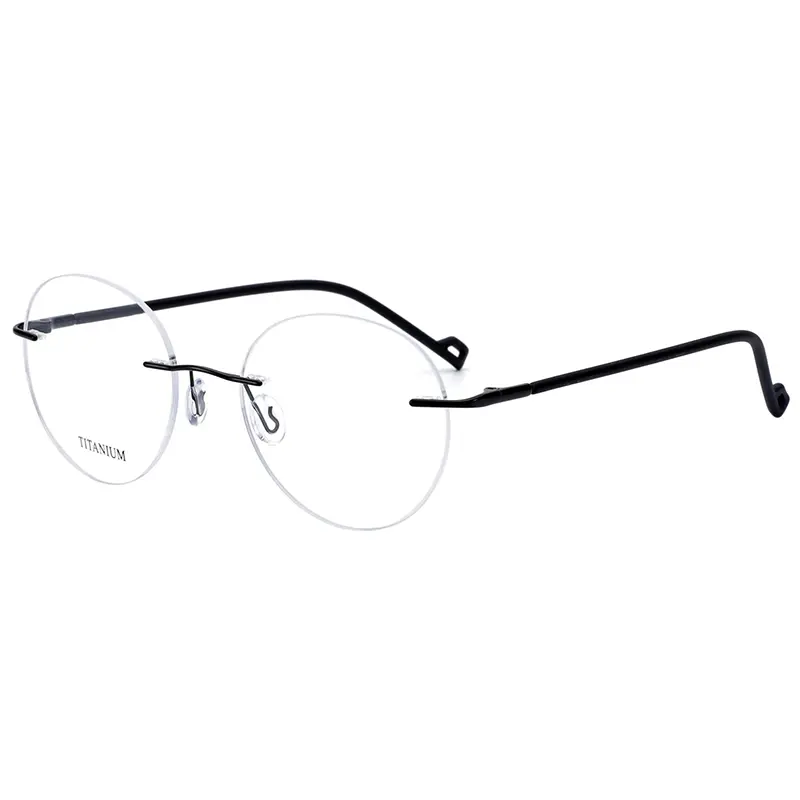
Titanium is valued for its lightweight construction and corrosion resistance. It is commonly used in minimalist optical designs where reduced frame weight is an important consideration. Pure titanium and beta titanium frames may have different flexibility and structural characteristics, depending on their composition and construction.
For people who prefer lightweight eyewear, titanium frames are worth considering. However, the final wearing experience still depends on the frame design, nose pad structure and temple fit.
View our optical frame collection to explore different material and design options.
Stainless steel is another common material for metal eyewear. It allows manufacturers to develop slim frame structures with defined contours and a clean appearance. Surface finishing, welding quality, hinge construction and nose pad design all contribute to the finished frame's performance.
The right material should be selected according to the intended frame design, wearing preferences, lens requirements and maintenance expectations.
Frame shape is an important part of personal style, but facial proportions should be considered alongside fashion preferences. The aim is to create balanced proportions rather than follow rigid rules about which frame suits a particular face shape.
● Round Face: Rectangular and square frames can introduce more defined lines and visual contrast.
● Square Face: Round and oval frames can soften angular facial contours.
● Oval Face: Many frame shapes can work well, provided the frame width and proportions are suitable.
● Heart-Shaped Face: Oval, round or lighter-looking frames may help balance a wider forehead and narrower chin.
These are general styling suggestions rather than fixed fitting rules. The frame should also align with the eyebrows, sit comfortably on the nose and remain stable when the wearer moves.
Not every frame is suitable for every prescription. Lens thickness, frame size, lens shape and the type of lens all affect the final result. People with stronger prescriptions may need to consider frame dimensions and lens design carefully to achieve a suitable appearance and fit.
Progressive lenses also require appropriate fitting measurements, including pupillary distance and fitting height. The available lens area and frame positioning should be reviewed by an optician before the frame is selected.
For sunglasses, polarized lenses can help reduce reflected glare from roads and water, while UV protection should be confirmed according to the lens specifications and relevant test documentation.
Choosing the frame and lens as a complete combination helps reduce fitting problems during final assembly.
Before using a new pair of glasses, check several basic fitting points:
● Frame Alignment: The frame should sit evenly on the face without noticeably tilting to one side.
● Nose Contact: The bridge or nose pads should provide stable support without creating uncomfortable pressure.
● Temple Fit: The temples should follow the sides of the head without squeezing or extending too loosely behind the ears.
● Lens Position: The lenses should be positioned according to the prescription and fitting measurements confirmed by the optician.
● Hinge Movement: Both temples should open and close smoothly, without excessive looseness or uneven resistance.
If the frame causes persistent pressure, slipping or visual discomfort, have it checked and adjusted by a qualified optician instead of bending it without suitable tools or experience.
Regular cleaning and proper storage help maintain the appearance and condition of optical frames. Different materials may require slightly different care methods, but several basic practices apply to most eyewear.
● Clean Regularly: Use a microfiber cloth and suitable eyewear cleaning solution to remove dust, fingerprints and daily residue.
● Avoid Excessive Heat: Do not leave glasses in hot vehicles or near strong heat sources, as high temperatures may affect frame shape and lens coatings.
● Store Safely: Keep glasses in a protective case when they are not being worn to reduce scratches and accidental damage.
● Check the Hinges: If the temples become loose or uneven, ask an optician to inspect and adjust the hinges.
● Handle with Care: Use both hands when putting on and taking off glasses to reduce uneven pressure on the frame.
The right eyeglass frame should balance appearance, dimensions, material and lens requirements. A frame may look attractive, but its real value comes from how well it fits the wearer and supports the intended prescription lenses. Understanding lens width, bridge design, temple length and material characteristics makes it easier to compare different eyewear styles.
Interstel Eyewear develops optical frames in acetate, metal and titanium materials, with different shapes and construction options for various eyewear collections. Learn more about our eyewear manufacturing capabilities or explore the available optical frames to compare different designs.
For frame specifications, material enquiries or custom development projects, please contact our team.