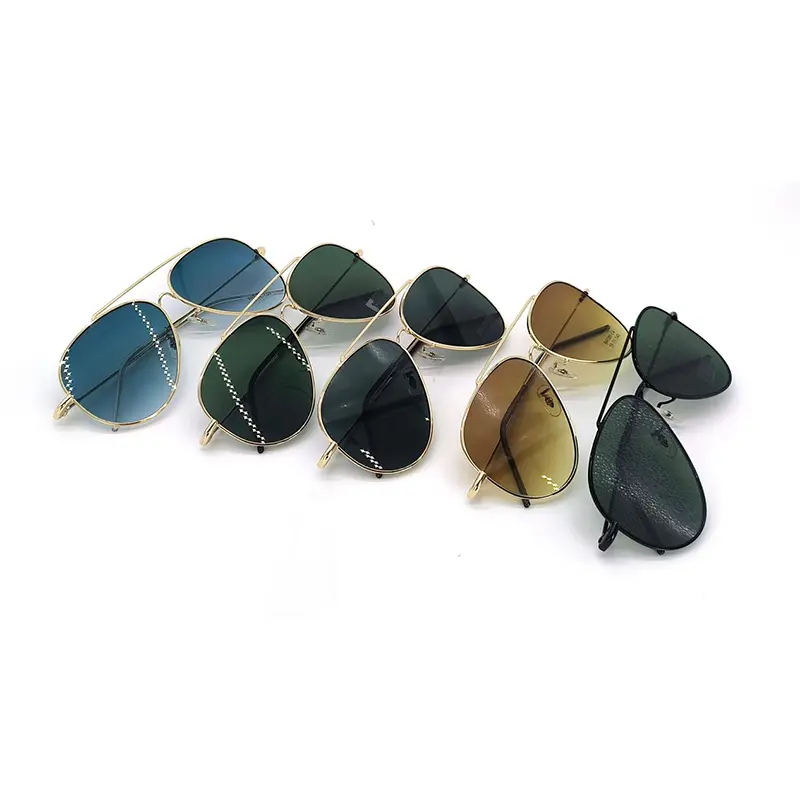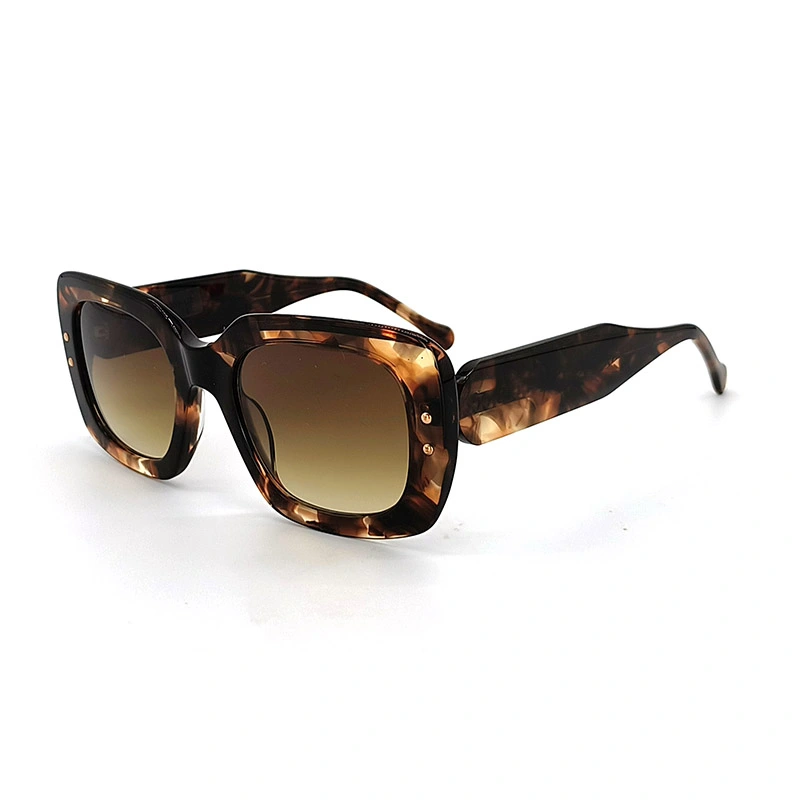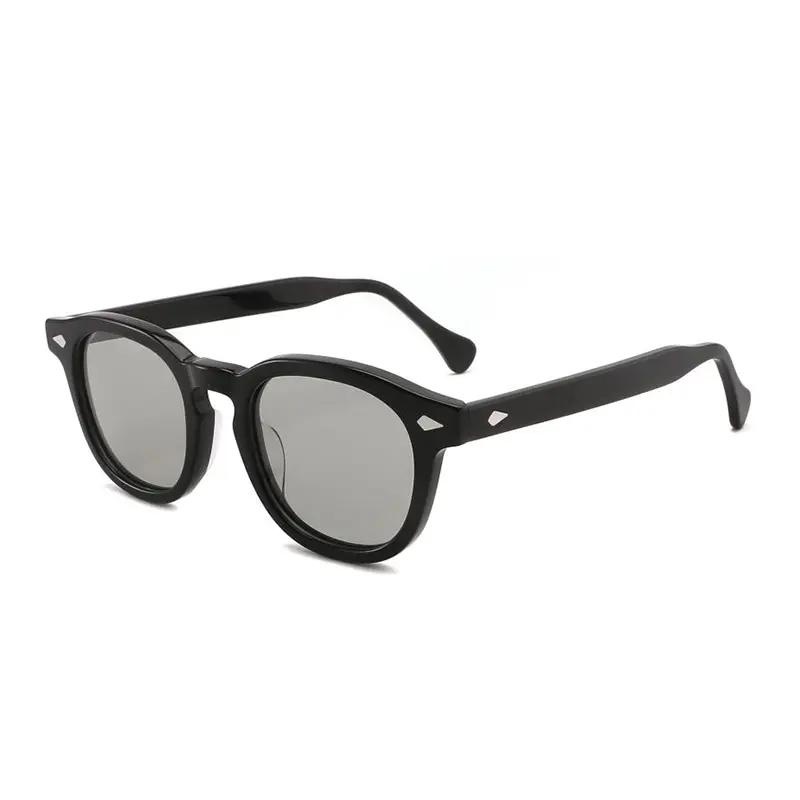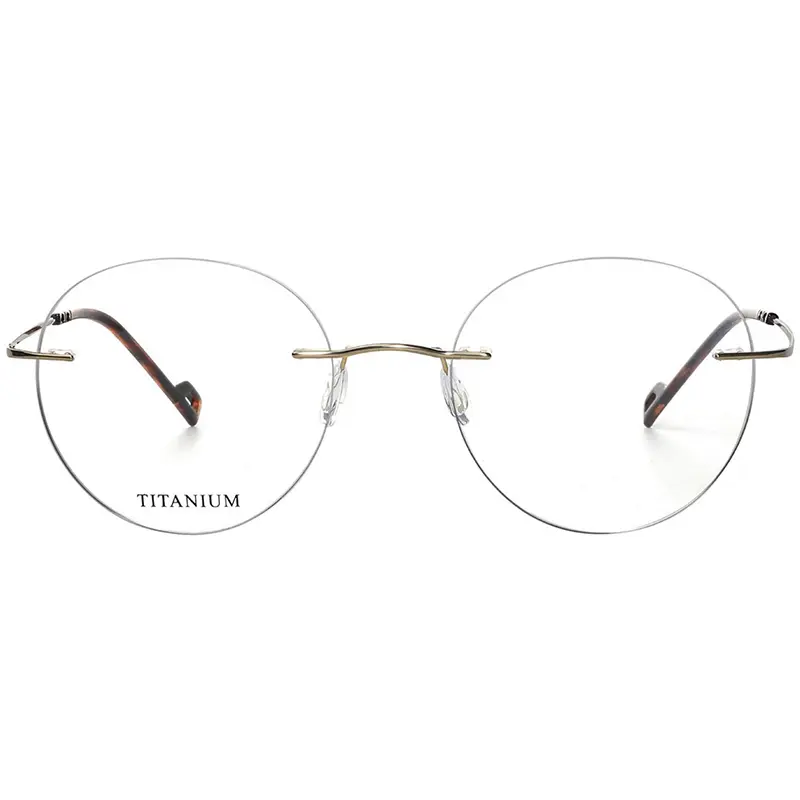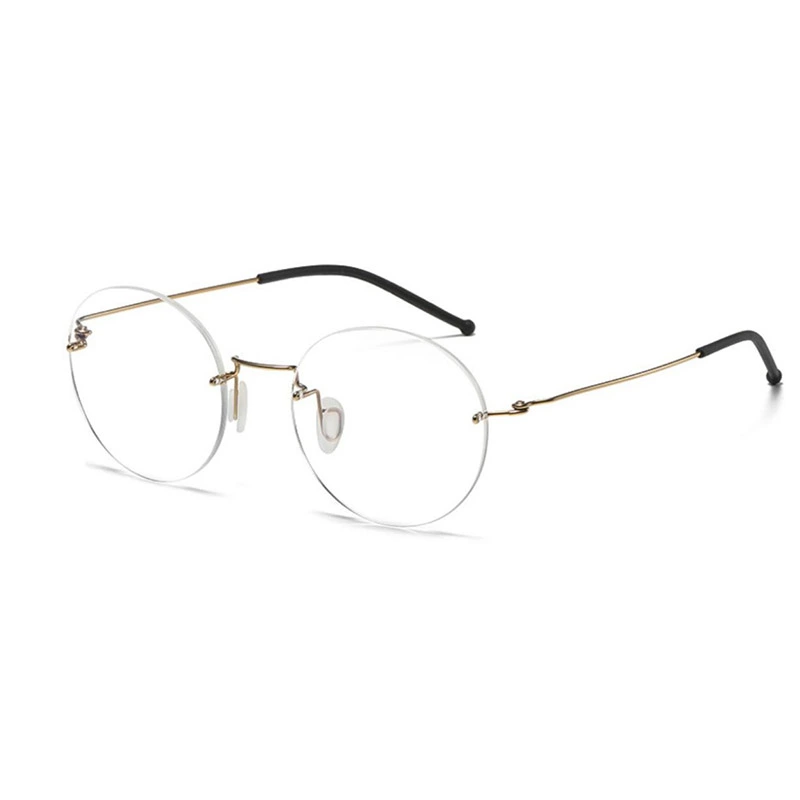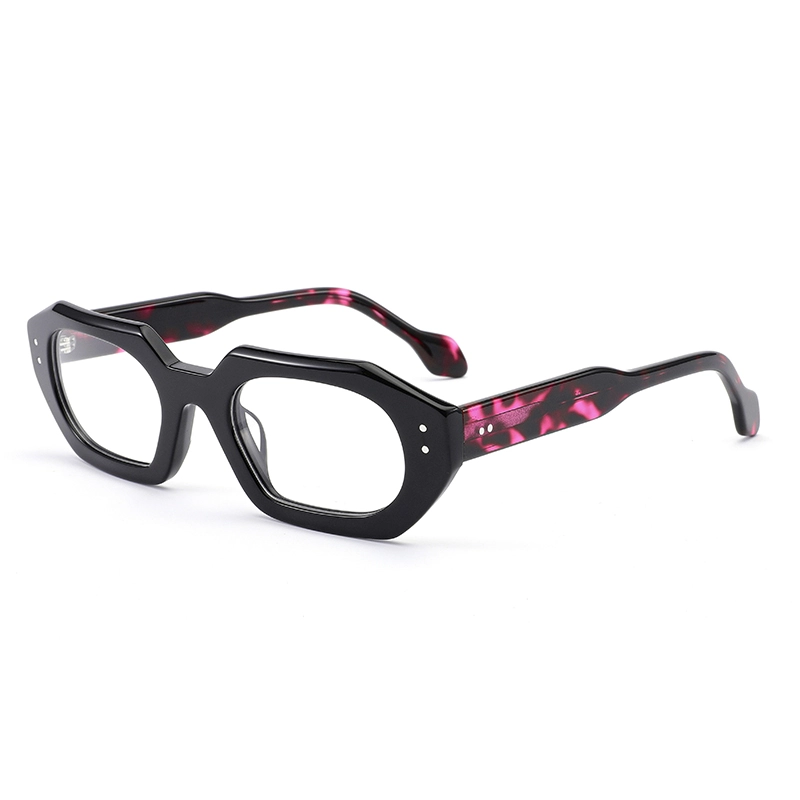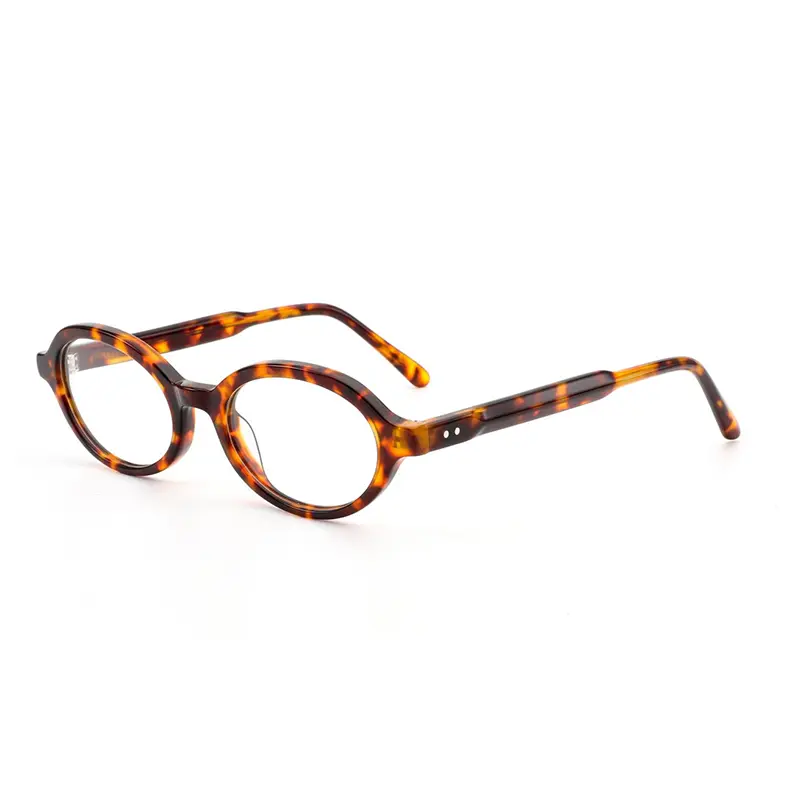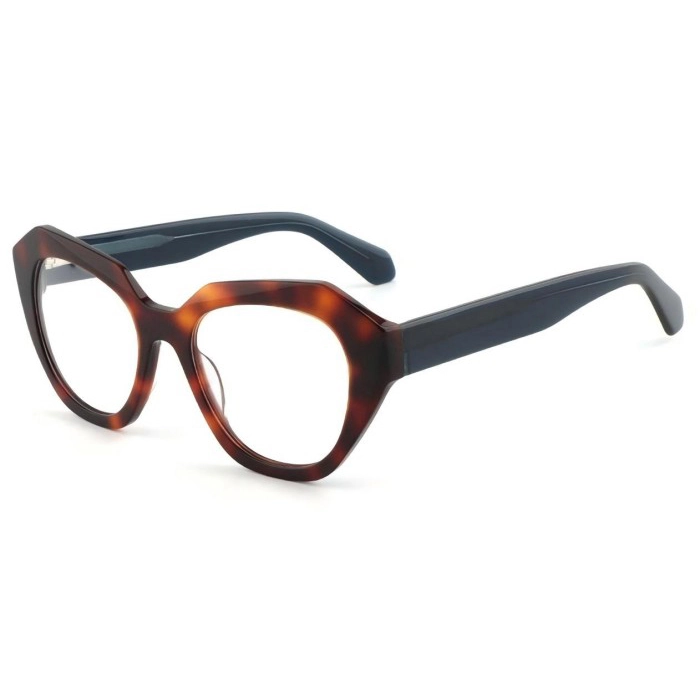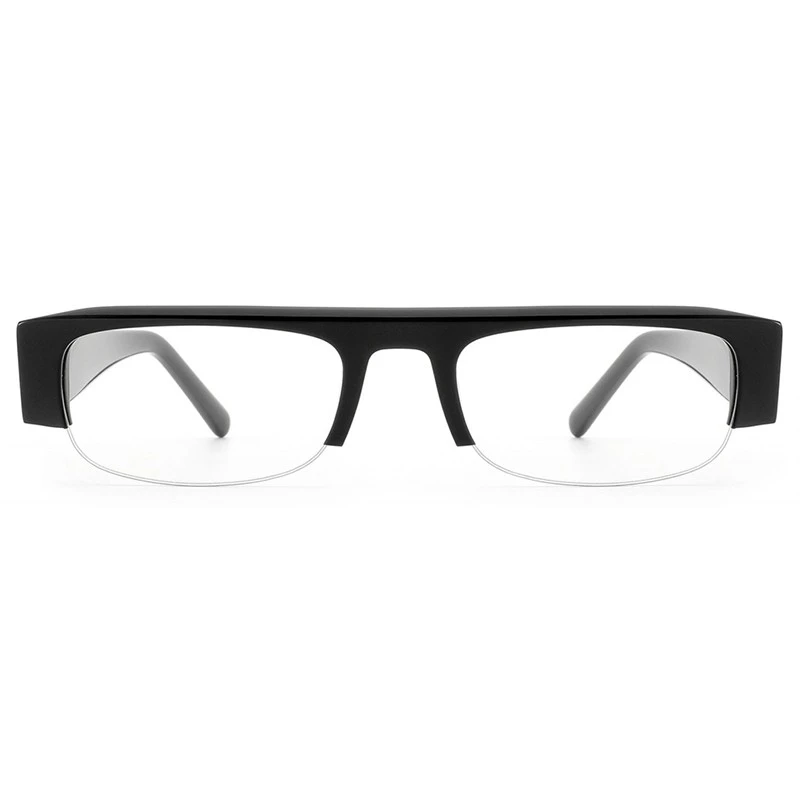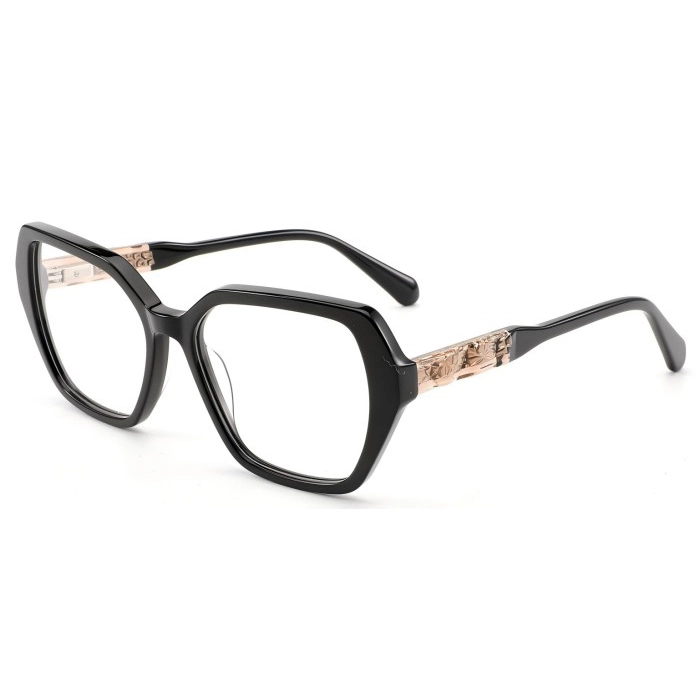

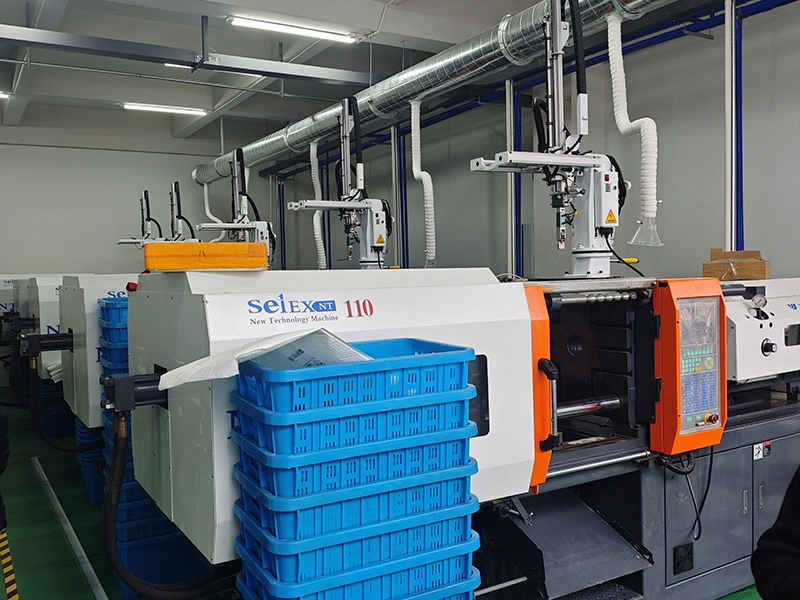
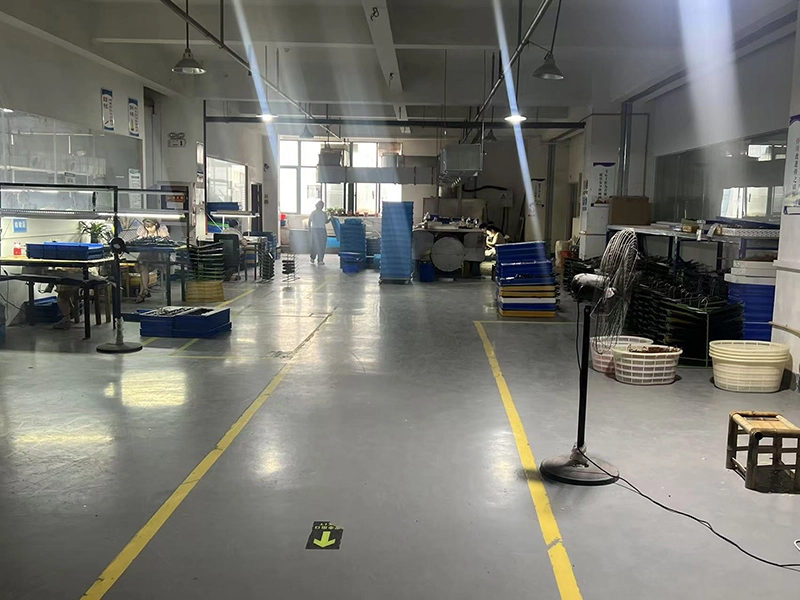
Our core product lines cover premium acetate, metal and titanium prescription optical frames, with sunglasses and upcoming plastic injection frames as supplementary options for global OEM & ODM customization.

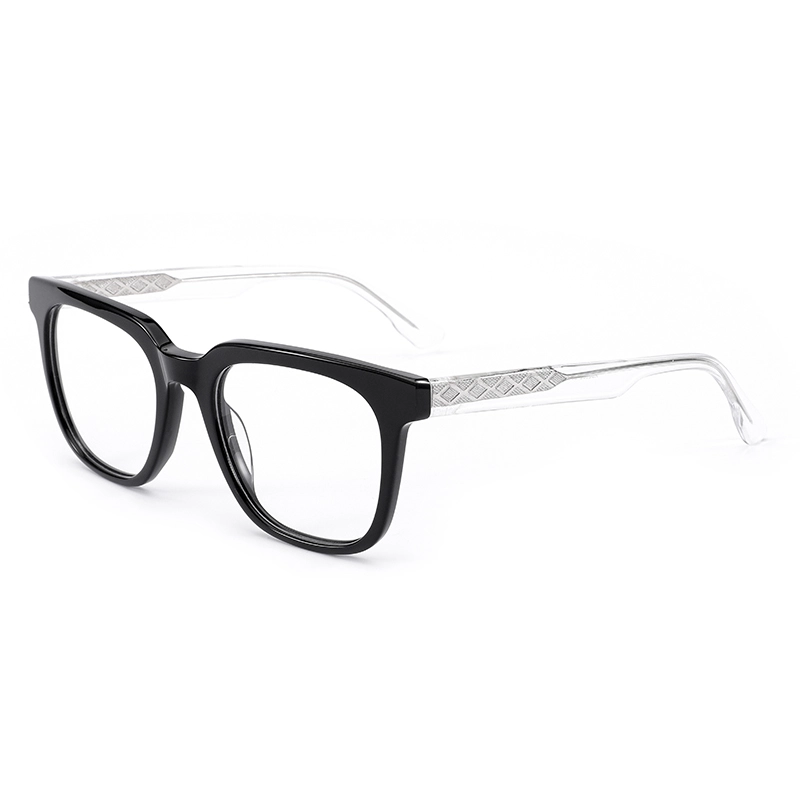
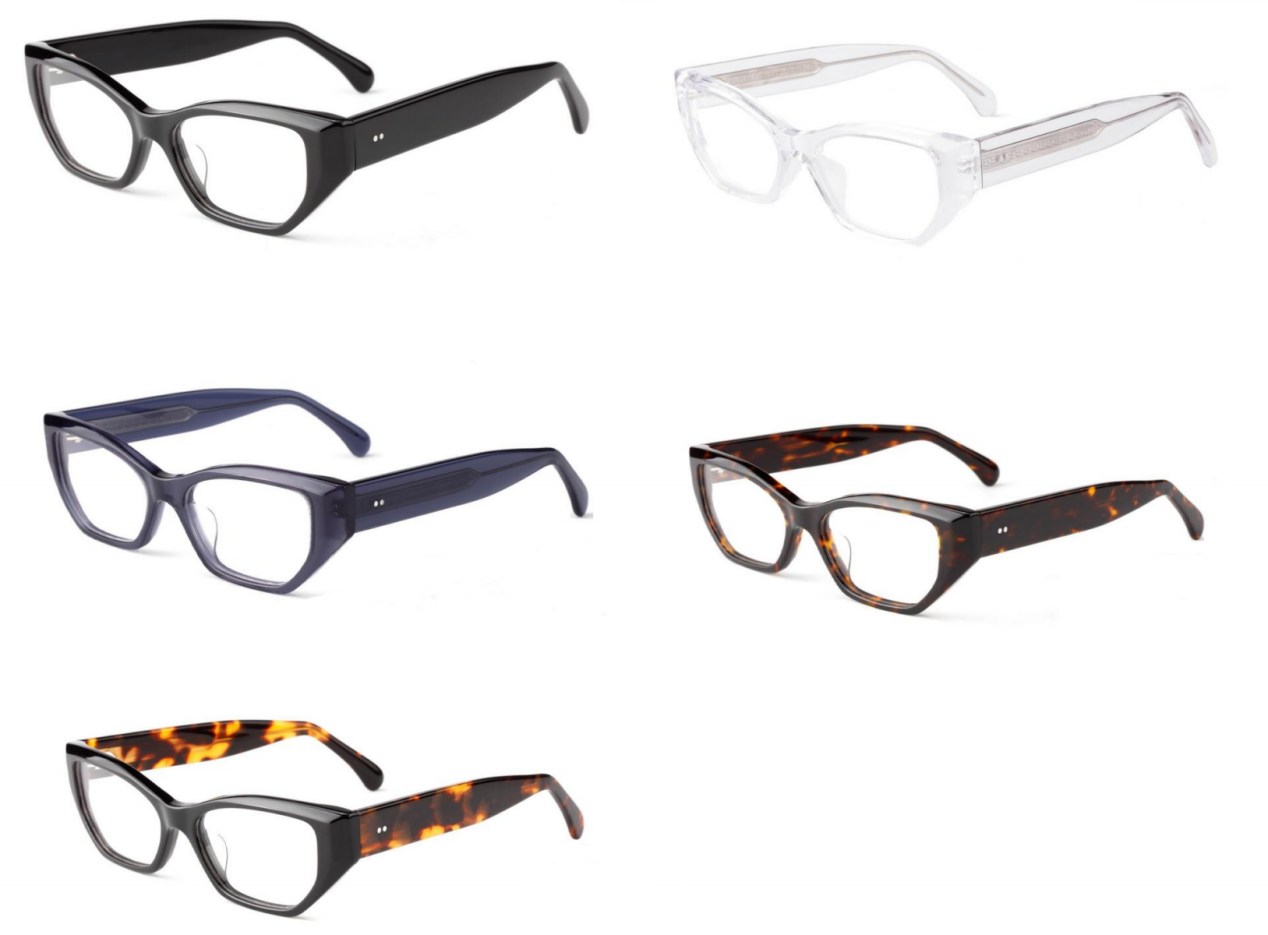
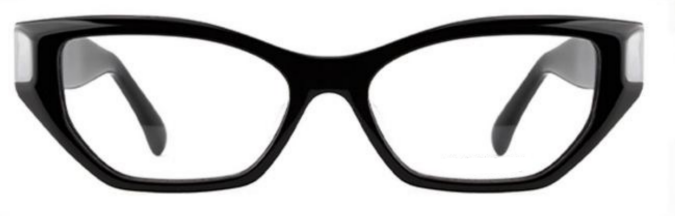
Interstel Eyewear, an optical frame manufacturer and supplier, offers the Bio Acetate Optical Frame IS-B069 for women's eyewear collections. Featuring a square shape, 54-17-145 size and plant-based acetate material, this model supports ODM development with custom colours, frame contours, logos, surface finishes and packaging.
The IS-B069 combines a square frame design with bio acetate material for women's prescription eyewear. Measuring 54-17-145, this model is designed for optical collections that require acetate-style construction and a material option incorporating plant-derived feedstock.
This Bio Acetate Optical Frame retains the familiar processing characteristics of acetate eyewear. Its colour, surface finish and frame details can be developed according to different collection requirements, with ODM and private-label services available for custom projects.
| Product Name | Bio Acetate Optical Frame |
| Model Number | IS-B069 |
| Product Type | Optical Eyeglass Frames |
| Frame Material | Bio Acetate |
| Frame Shape | Square |
| Gender | Women |
| Frame Size | 54-17-145 |
| Order Type | ODM / Custom Development |
| Customization | Logo, colour, surface finish, packaging and frame contour |
| Certificates | CE / REACH |
| Sample Lead Time | 25–40 days |
| Mass Production Lead Time | 80–100 days after sample confirmation |
| Payment Methods | Bank Transfer (T/T), local bank transfer |
Bio acetate incorporates plant-derived feedstock into its material formulation, offering an alternative to conventional petroleum-based plastic materials. The actual bio-based content depends on the selected material grade and should be supported by the relevant supplier documentation.
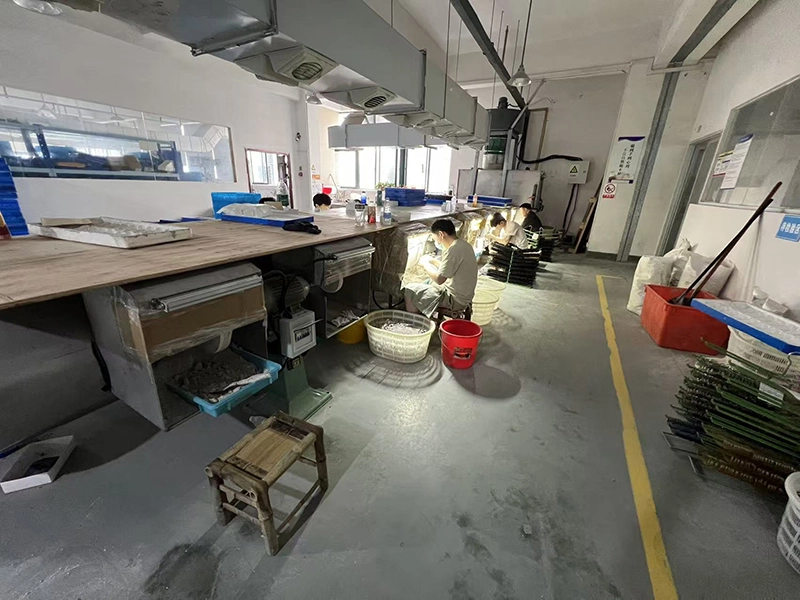
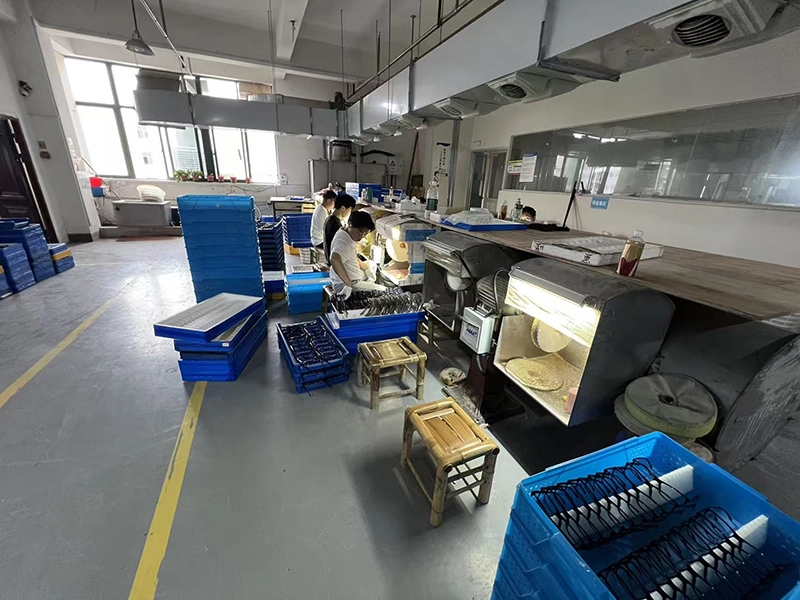
The material can be processed into acetate-style optical frames through suitable cutting, shaping and polishing procedures. Its composition and processing characteristics depend on the material specification selected for production.
Bio acetate blanks may feature natural-looking patterns and variations in colour. Depending on the selected material, the finished frame can have a distinctive grain, translucent appearance or layered colour effect.
Available colour development may include solid, translucent and marbled finishes. Custom colour requirements are evaluated according to material availability and the selected blank specifications before sample production.
Like conventional acetate frames, suitable bio acetate grades can generally be adjusted by trained opticians using appropriate heating equipment. The temples can be adjusted to improve the fit around the ears and sides of the head.
The recommended heating temperature and adjustment procedure should follow the material supplier's instructions to reduce the risk of deformation or surface damage.
The IS-B069 features a square frame outline for women's optical collections. Its 54-17-145 dimensions specify a 54 mm lens width, 17 mm bridge width and 145 mm temple length.
This Bio Acetate Optical Frame can be developed for prescription lens assembly. Final lens compatibility depends on the prescription, lens thickness, frame dimensions and lens design.
The IS-B069 supports ODM and private-label development. Custom options include frame contour, colour, surface finish, logo marking and packaging. Special material patterns or exclusive colour combinations can be reviewed during the development stage.
Regular acetate and bio acetate can both be used to manufacture optical frames. Their main differences relate to raw material formulation, material sourcing and the available grades. The actual appearance and performance depend on the selected material and manufacturing process.
| Comparison | Regular Acetate | Bio Acetate |
|---|---|---|
| Raw Material | Conventional acetate formulation | Formulation incorporating plant-derived feedstock |
| Appearance | Solid colours, translucent finishes and layered patterns | Solid colours, translucent finishes and selected natural-looking patterns |
| Processing | Suitable for cutting, polishing and heat adjustment | Processing methods depend on the selected bio acetate grade |
| Frame Applications | Optical frames and sunglasses | Optical frames and sunglasses |
| Material Positioning | Conventional acetate eyewear | Bio-based material option for sustainability-focused collections |
| Customization | Colour, shape, logo and surface finish | Colour, shape, logo and surface finish, subject to material availability |
Material composition, bio-based content and environmental claims should be supported by the relevant supplier documents or third-party verification. Different material grades may have different processing and performance characteristics.
The square design and acetate construction make the IS-B069 suitable for several women's optical eyewear applications:
● Independent Optical Stores: Square acetate frames for everyday prescription eyewear collections.
● Designer Eyewear Collections: Custom colours, surface finishes and frame contours for distinctive product designs.
● Sustainable Eyewear Lines: Bio-based material options for collections with documented material sourcing requirements.
● Online Eyewear Retail: Prescription frame styles for online optical product catalogues.
● Private Label Collections: Custom logo and packaging options for brand-specific product ranges.
Final frame configurations can be adjusted according to the intended market, prescription lens requirements and collection design.
Interstel Eyewear provides ODM and private-label development support for custom acetate eyewear projects. The development process covers frame design, material selection, sample confirmation and production coordination.
Custom development can cover frame contours, lens shapes, bridge structures and temple designs. Design files or reference samples can be reviewed before prototype production to assess manufacturing feasibility and structural requirements.
Different bio acetate blanks and colour combinations can be evaluated during the development stage. Special grain or colour requirements may involve separate material preparation and minimum order quantities. Feasibility is confirmed according to the selected material and design.
Available options include logo engraving or printing, custom surface finishes and branded packaging. The marking method is selected according to the frame material, logo position and required finish.
Samples are arranged for design, appearance and fit confirmation before mass production. Material specifications, approved colours, frame dimensions and packaging requirements should be confirmed against the final approved sample.
Quality requirements cover both the selected material and the finished frame structure. Inspection items can include:
● Material Documentation: Review available material composition and sourcing documents supplied for the selected bio acetate grade.
● Surface Inspection: Check for visible scratches, uneven polishing, colour differences and other surface defects.
● Frame Dimensions: Inspect lens width, bridge width, temple length and other agreed dimensions.
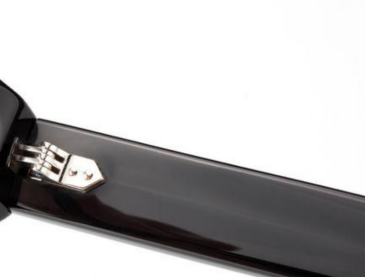
● Hinge Function: Check hinge installation, opening and closing movement and overall assembly.
● Fit and Adjustment: Review frame alignment and the suitability of the structure for normal optical adjustment.
● Order Consistency: Compare production samples with the approved reference sample and confirmed specifications.
CE and REACH documentation should be checked against the actual product, applicable requirements and available test or conformity records before being used for market compliance claims.
Bio acetate incorporates plant-derived feedstock into its material formulation, while conventional acetate generally uses traditional raw material sources. The exact bio-based content depends on the material grade and should be confirmed through supplier documentation. Both materials can be processed into optical frames, but their composition and environmental attributes may differ.
Suitable bio acetate grades may be heat-adjustable. Trained opticians should follow the material supplier's recommended heating temperature and adjustment procedure to reduce the risk of deformation or surface damage.
Available options may include solid, translucent and marbled colours. The final colour range depends on the selected material blanks and formulation. Special colour requirements can be evaluated during the sample development stage.
Custom material patterns and grain effects can be discussed during ODM development. Special requirements may involve separate material preparation, blank development and minimum order quantities. Feasibility and lead time should be confirmed before the project starts.
The IS-B069 has a 54-17-145 frame size and can be developed for prescription lens assembly. Suitability for high-prescription lenses depends on the prescription strength, lens material, lens thickness and frame design. A lens fitting review is recommended before production confirmation.
Claims such as plant-based material or bio-based content should be supported by the relevant raw material documentation or third-party verification. Carbon-neutral, biodegradable or other environmental claims should not be used unless the specific product and claim have appropriate supporting evidence.
Surface blooming may be associated with material formulation, processing, polishing, storage conditions or contact with certain substances. The actual cause should be assessed according to the material grade and production conditions. Appropriate storage and handling guidance can help reduce avoidable surface issues.
Product descriptions can focus on the documented plant-derived material content, available natural-looking patterns, acetate-style frame construction and heat-adjustment characteristics. Clear material information helps communicate the product's features without making unsupported environmental or performance claims.
Learn more about our eyewear manufacturing capabilities, explore other acetate optical frames, or browse our optical frame collection.
For custom frame development, material selection or private-label enquiries, please contact Interstel Eyewear.







Address
No. 158, Jixian Road, Ouhai District, Wenzhou City, China
Tel