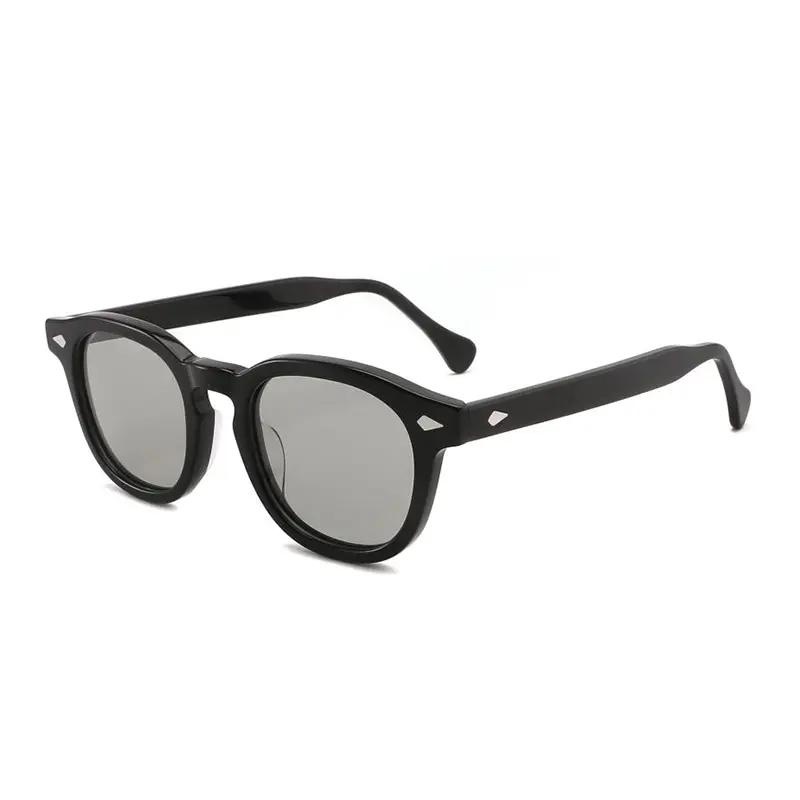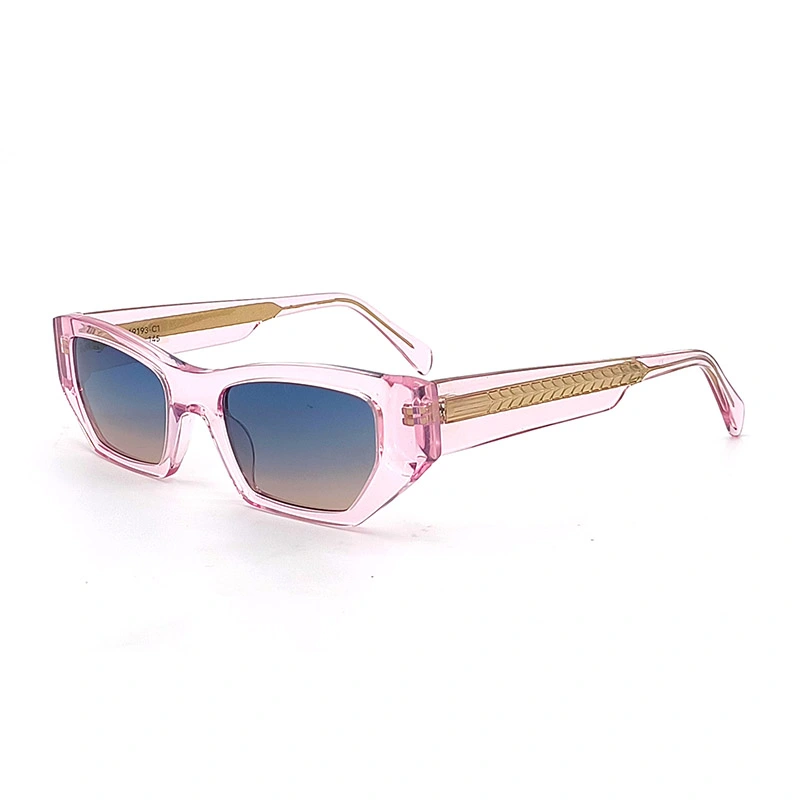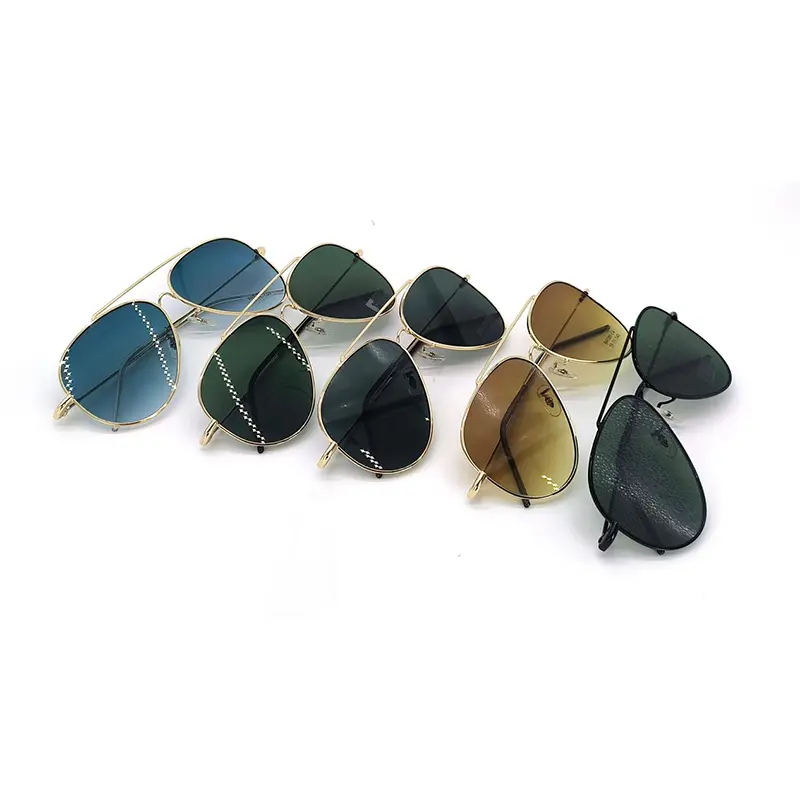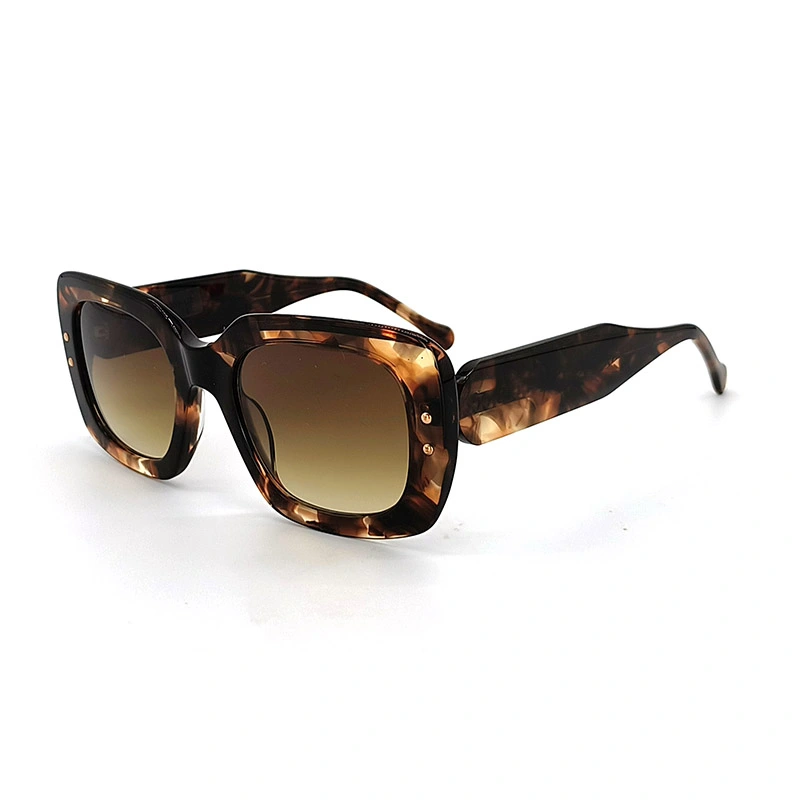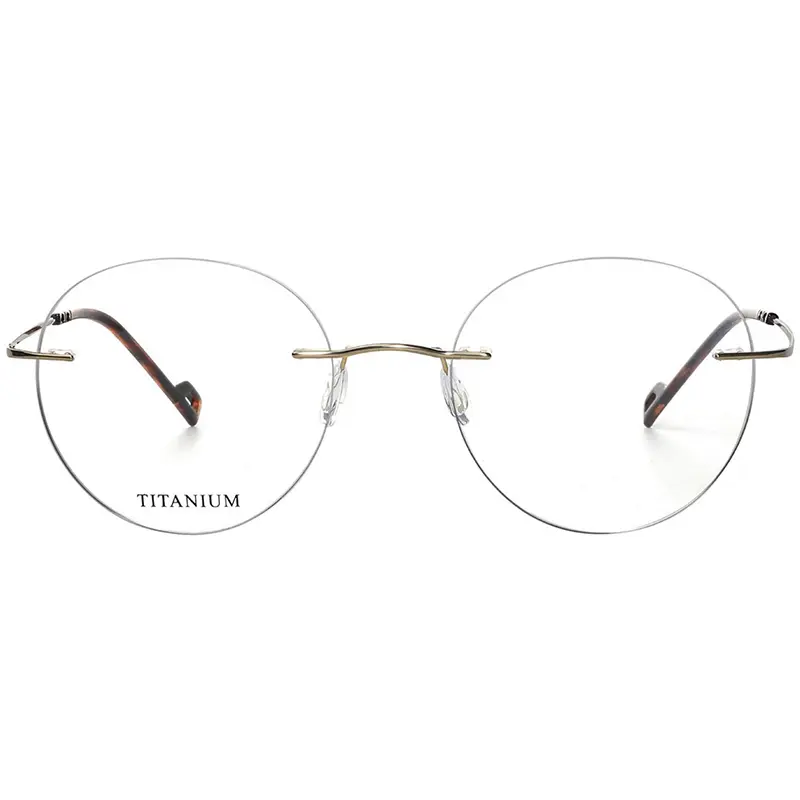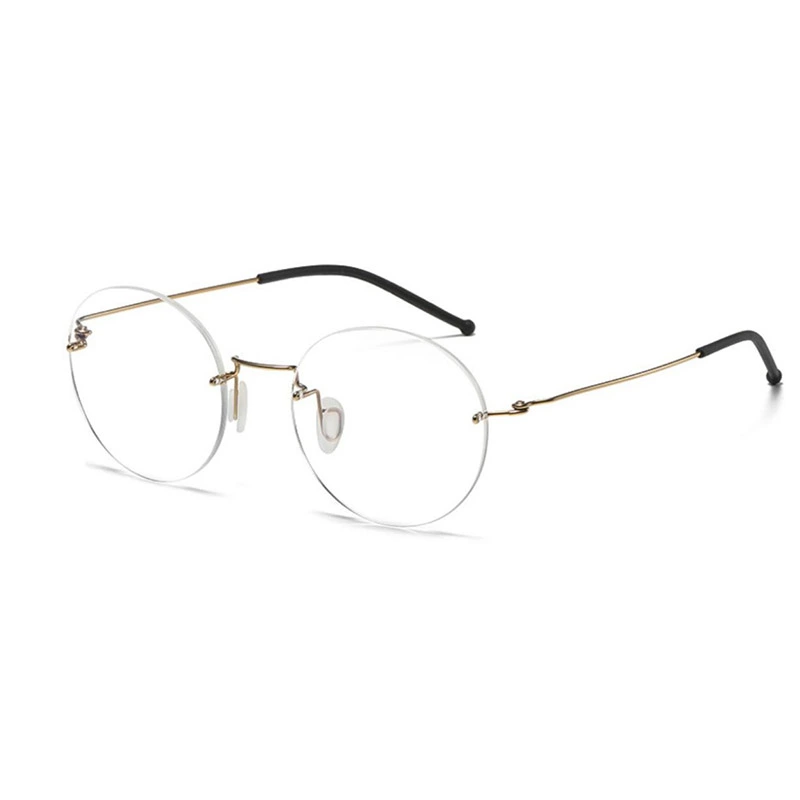

Our core product lines cover premium acetate, metal and titanium prescription optical frames, with sunglasses and upcoming plastic injection frames as supplementary options for global OEM & ODM customization.
Interstel Eyewear produces polarized sunglasses built to reduce partially polarized reflected glare and deliver reliable UV protection. Frames cover acetate, metal, TR90 and titanium constructions, with lens grades matched to high-glare outdoor environments. Our internal optical lab carries out layered lens testing to keep optical performance consistent across stock and custom styles.
Polarized lenses selectively attenuate horizontally polarized reflected light. UV protection is a separate lens function and does not depend on polarization.
Reduces partially polarized glare from flat horizontal surfaces such as water, wet pavement, snow and glass. Reflected glare from these surfaces is predominantly horizontally polarized; the vertically aligned polarizing filter preferentially absorbs this glare component, unlike ordinary tinted lenses that only dim all incoming light uniformly. Glare can be attenuated but not fully eliminated, as reflected light is usually partially polarized rather than purely polarized.
Full UV400 protection, blocking UVA and UVB completely. UV protection is independent of the polarizing function.
Improves visual contrast and natural colour perception, easing visual fatigue during prolonged outdoor exposure.
Multiple frame material options available, matching lightweight, hypoallergenic or fashion-textured requirements.
Stable interlayer lamination structure, resisting delamination under normal temperature changes.
Suitable for both functional outdoor use and aesthetic styling.
Polarized lenses adopt a multi-layer lamination structure, embedding a stretched dichroic polarizing film between the substrate and hard coating.
The polarizing film features a vertical transmission axis, which absorbs horizontally polarized reflected light while permitting vertically oriented light to pass through.
All polarized lenses comply with EN ISO 12312-1. Polarization efficiency is tested following ISO 18526-2; Cat.2/3/4 lenses require polarization efficiency above 78%. Versions intended for road driving go through separate Q-factor traffic-signal recognition testing to guarantee red, yellow, green signal identification.
Hard coating is applied on both lens surfaces to boost scratch resistance. Anti-oil and water-repellent topcoat can be added as an extra option.
Maintains neutral colour perception for general driving.
Enhances contrast for fishing and marine use.
Balances brightness and colour fidelity.
| Performance Item | Specification / Requirement |
|---|---|
| Product Standard | EN ISO 12312-1 |
| Polarization Test | Tested following ISO 18526-2 |
| Polarization Efficiency | Above 78% for Cat.2/3/4 lenses |
| Driving Versions | Separate Q-factor traffic-signal recognition testing |
| Surface Coating | Hard coating on both lens surfaces; anti-oil and water-repellent topcoat available as an extra option |
| Hinge Durability | 5,000-cycle opening and closing durability test |
| Metal Frame Components | Follow EN 16128 nickel release requirements |
Attenuates strong surface glare on water, helps observe underwater ripples and structures.
Reduces glare from wet road, vehicle hood and windshield reflections; only Q-factor certified polarized Cat.3 versions are approved for road use.
Stabilises vision under scattered strong sunlight.
Suppresses glare from snow and sand reflection.
Suitable for sightseeing, camping and open-air recreation.
Polarized sunglasses occupy a dedicated functional segment of eyewear. They are widely stocked by outdoor specialty retailers, fishing and watersports gear shops, automotive accessory lines, travel-focused retail channels and premium optical boutiques.
Compared with ordinary tinted sunglasses, polarized models carry higher perceived value and form a differentiated functional line. Many outdoor series pair polarized options with non-polarized sunglasses to cover different usage preferences.
Grey polarized lenses: The mainstream choice for general driving.
Brown polarized lenses: Preferred for marine and angling lines.
A: Ordinary tinted lenses reduce the overall brightness of all incoming light evenly. Polarized lenses selectively attenuate the dominant horizontally polarized component of reflected glare, delivering better contrast while retaining natural colour. Polarization does not add extra UV blocking capability.
A: No. Cat.3 polarized lenses for driving must pass Q-factor traffic signal recognition test under EN ISO 12312-1. Many polarized Cat.3 lenses fail signal identification and are only suitable for fishing, beach and non-road outdoor use. Cat.4 polarized lenses cannot be used for driving.
A: LCD screens emit polarized light. When the polarization axes overlap, the screen appears dim or blank. This is a fundamental optical characteristic of polarized filters and not a quality failure.
A: Brown polarized lenses are commonly used for fishing, as they improve contrast over water and help distinguish underwater details. Grey polarized lenses are more neutral for general driving.
A: Yes. Oleophobic topcoat can be added on request, which reduces fingerprint residue and makes water bead off the lens surface.
A: We check polarization efficiency, UV blocking rate, luminous transmittance, surface coating integrity, lens lamination for bubbles or delamination, and colour consistency. Driving-grade styles will include Q-factor test records.
A: Our lenses adopt high-temperature integrated lamination. Delamination caused by manufacturing defects falls within warranty. Delamination from improper high-temperature baking or contact with strong solvents is excluded from warranty.
Contact Interstel Eyewear to discuss polarized lens specifications, frame materials and stock or custom styles.
Contact Interstel Eyewear