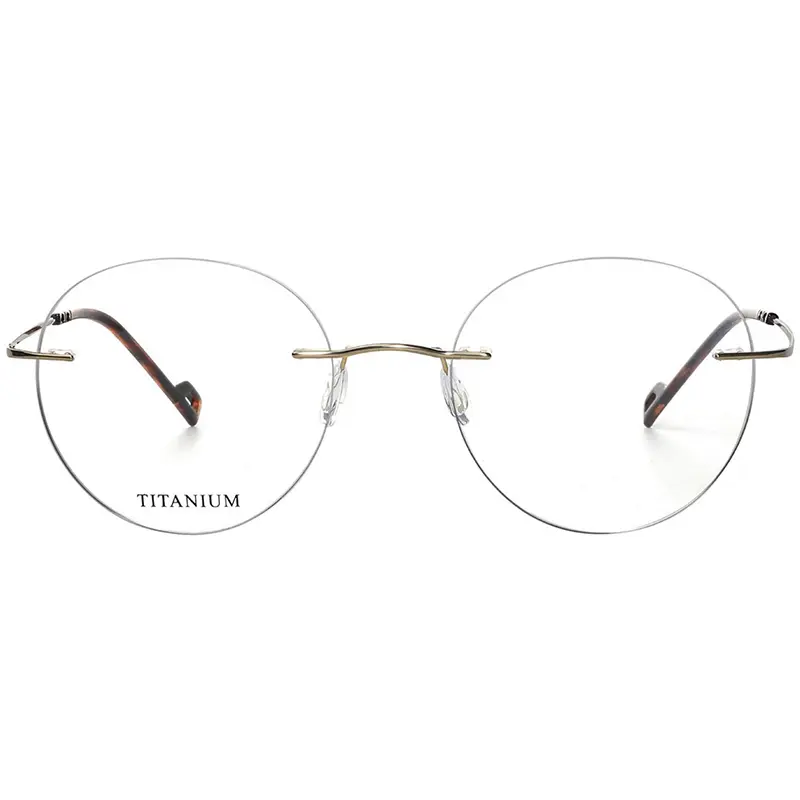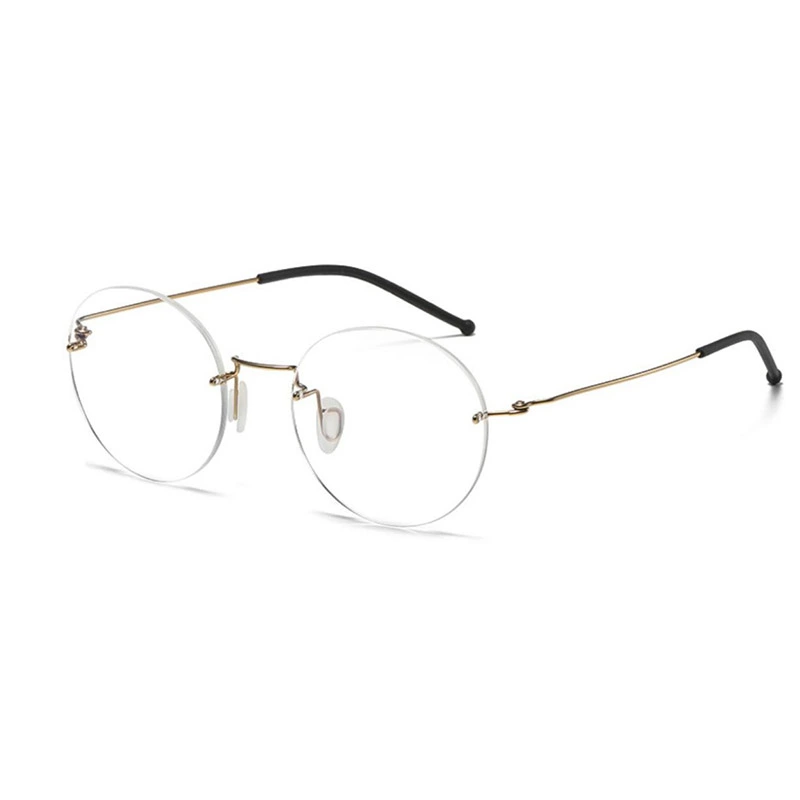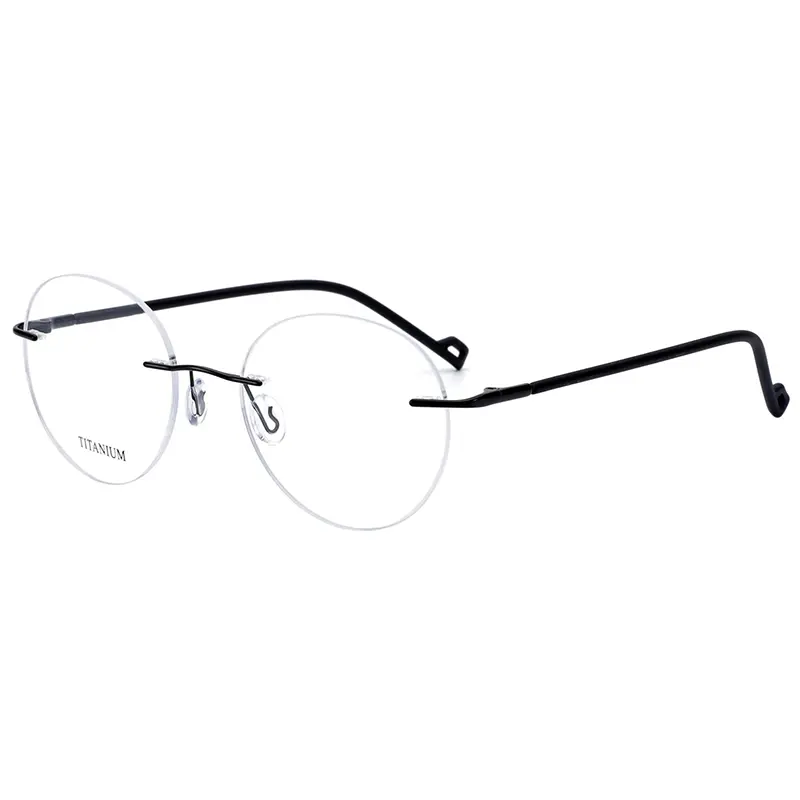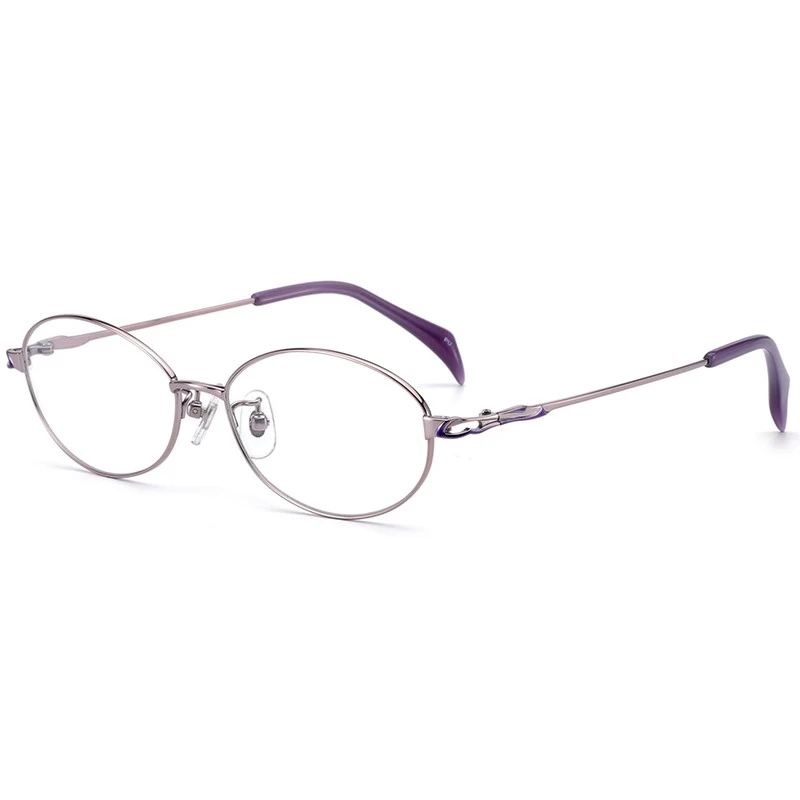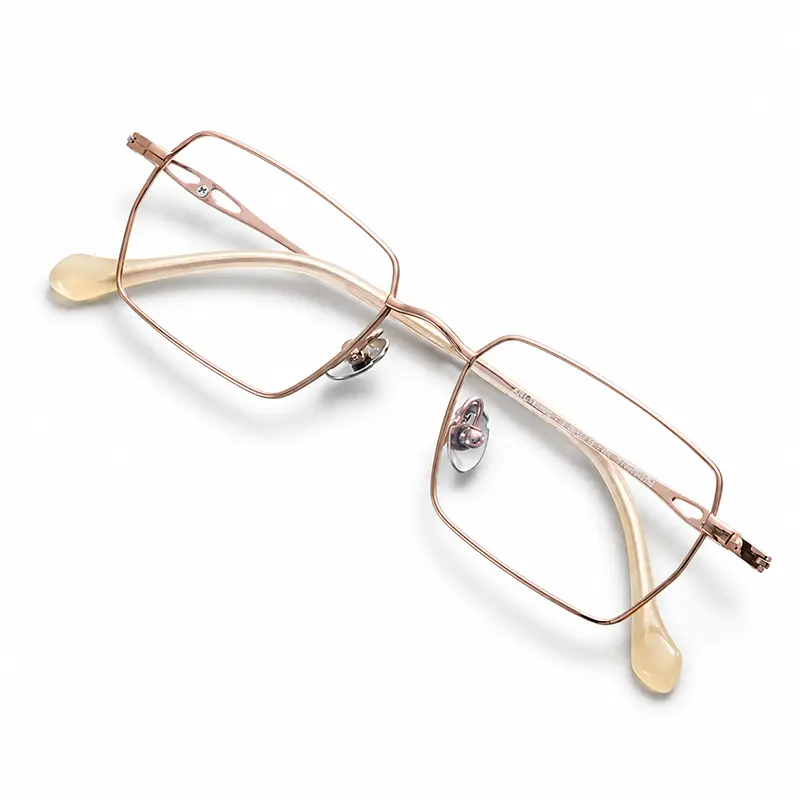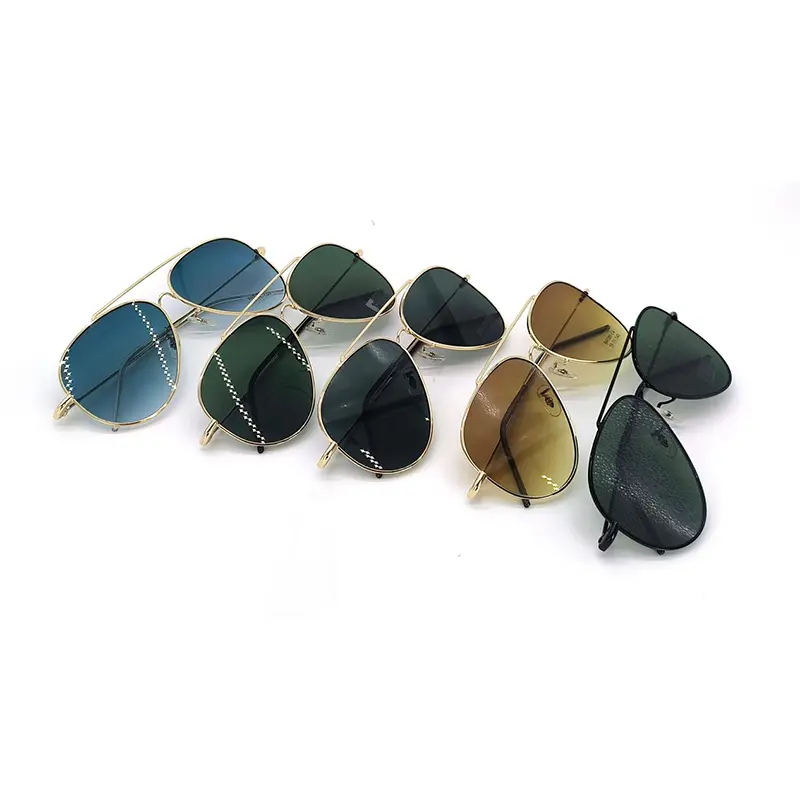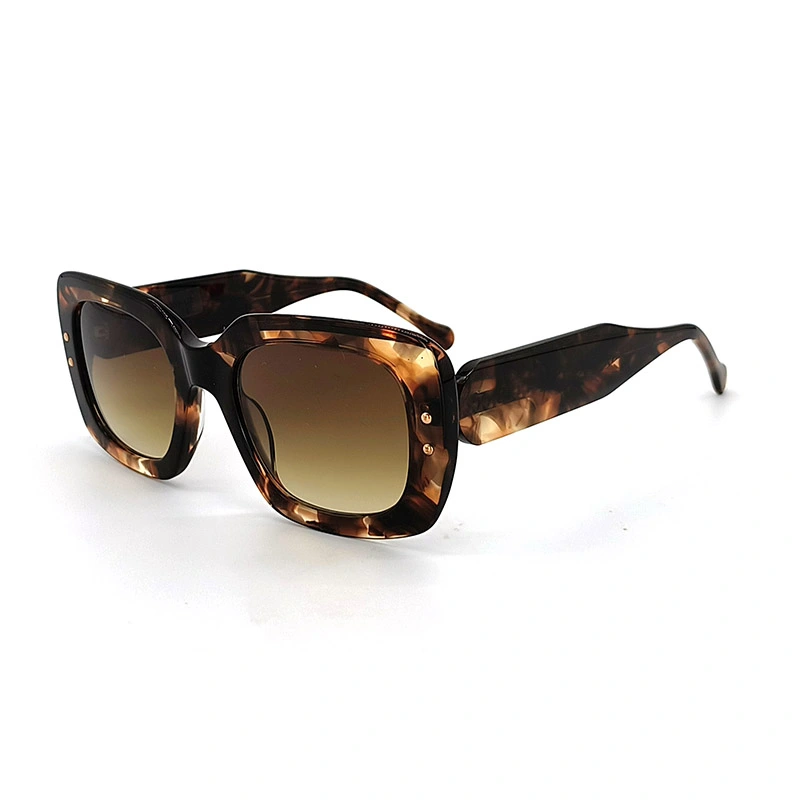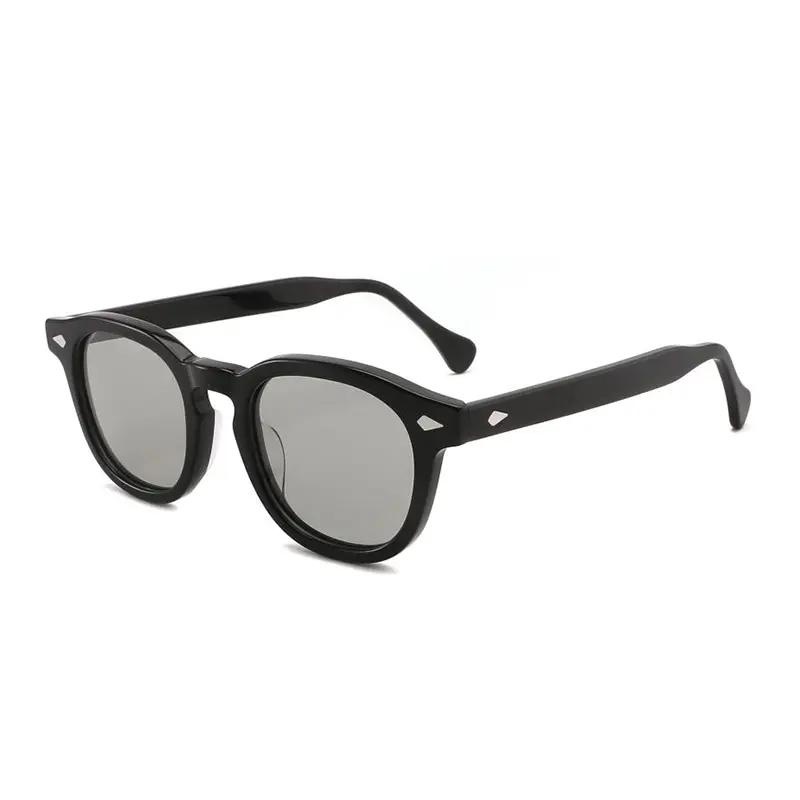

Our core product lines cover premium acetate, metal and titanium prescription optical frames, with sunglasses and upcoming plastic injection frames as supplementary options for global OEM & ODM customization.
Interstel Eyewear offers premium Titanium Optical Frames for high-end prescription collections. Lightweight construction, corrosion resistance and material quality make these frames suitable for luxury optical retailers and private label brands developing differentiated product ranges. They can complement mid-range acetate styles and entry-level functional frames within a multi-tier collection.
Titanium optical frames are prescription eyewear structures made from titanium-based materials. They are designed to accommodate single vision, progressive, blue-light filtering and photochromic lenses, depending on the frame construction and lens specifications.
Compared with standard alloy metal frames and injection-moulded TR90 styles, titanium frames are positioned toward the premium end of the optical market. Their combination of low weight, corrosion resistance and structural strength makes them suitable for customers who prioritize long-term wearing comfort.
For high-end collections, material identification is particularly important. Pure titanium, beta titanium and stainless steel are different materials, even when their appearance is similar. Material specifications and supporting documentation should be confirmed rather than relying on appearance or a magnet test alone.
A magnet test cannot independently establish whether a frame is made of titanium. Material composition should be confirmed through reliable supplier documentation or appropriate material testing.
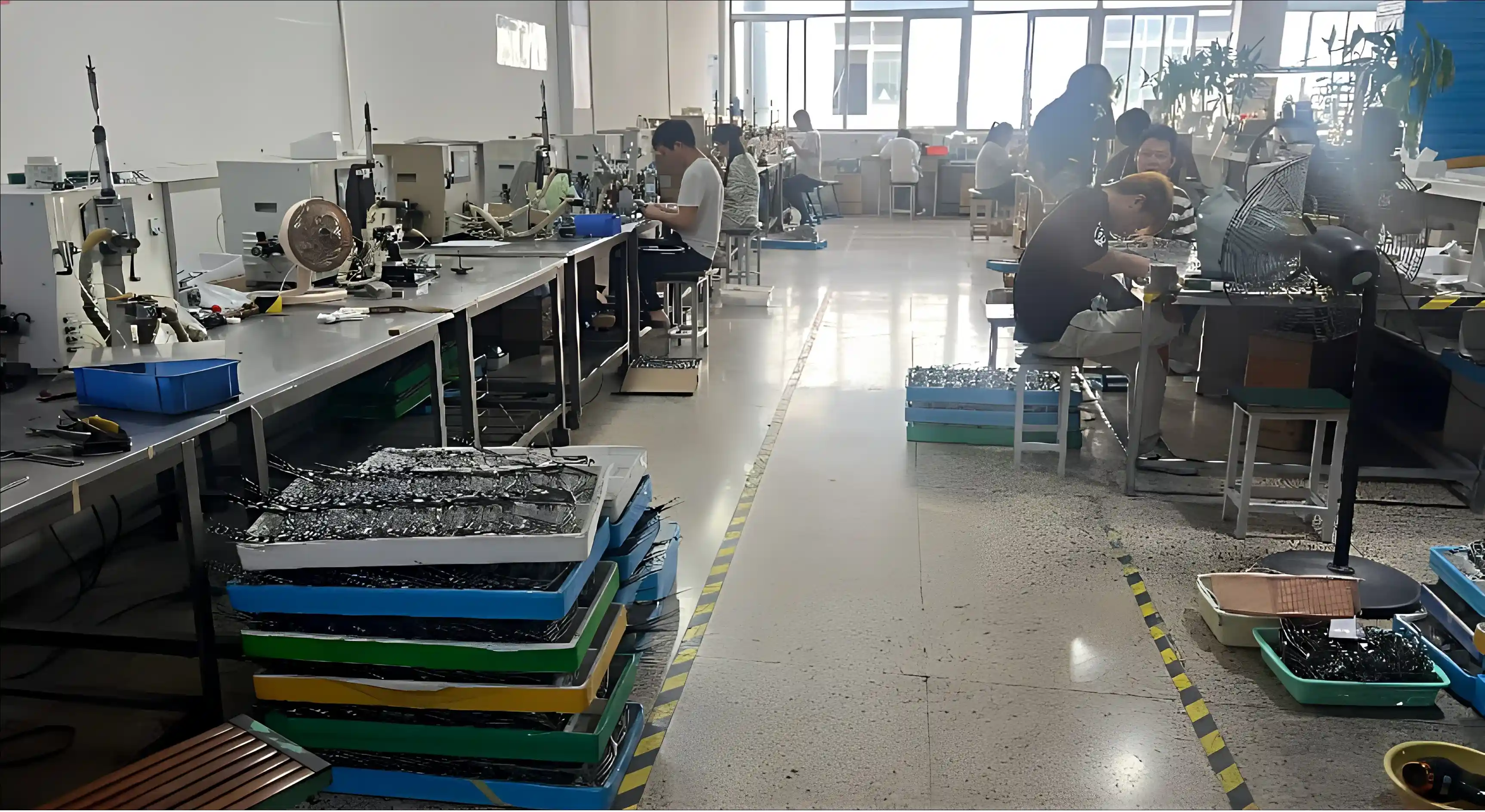
Low material weight helps reduce pressure around the nose bridge and temples, supporting comfortable wear over extended periods.
Titanium offers strong resistance to corrosion and is suitable for regular contact with moisture and perspiration during daily use.
Titanium is valued for its biocompatibility and is often considered by customers who are sensitive to certain conventional metal materials.
Its high strength-to-weight ratio supports slim frame structures while maintaining practical strength under normal wearing conditions.
Matte, brushed and other refined surface finishes create a restrained appearance suited to business and premium optical styles.
Titanium is generally non-magnetic, although this property alone is not sufficient to verify the material composition of a finished frame.
High-end optical boutiques can include titanium styles in collections focused on refined design, material quality and long-term wearing comfort.
Luxury eyewear chains can use titanium models to expand their premium product selection and offer alternatives to conventional alloy frames.
Premium private label collections can develop distinctive frame shapes, temple details and surface finishes to support a consistent brand identity.
Lightweight structures and understated finishes make titanium styles suitable for adult business wear and customers who prefer minimalist designs.
Customers who wear prescription glasses for long periods may value the reduced frame weight and comfortable fit of well-designed titanium styles.
For a broader material selection, explore our acetate optical frames and metal optical frames.
Interstel Eyewear supports ODM development for Titanium Optical Frames, with design and construction details discussed according to the intended collection and technical requirements.
Develop different rim shapes, sizes and structural proportions to match the target style and face-fitting requirements.
Logo placement and engraving details can be developed for temples and other suitable frame components.
Discuss nose pad materials, support structures and positioning to achieve the intended fitting effect.
Customize temple patterns, end tips and structural details according to the frame design.
Choose suitable surface treatments and finishes, including matte and brushed effects, based on the design specification.
Pre-production samples allow confirmation of appearance, weight, texture and fitting before bulk production.
Titanium processing involves different technical requirements from regular alloy metal frames. MOQ and lead time depend on the material, construction, customization details and order quantity. A production schedule can be confirmed after the design and specifications are reviewed.
Both pure titanium and beta titanium options can be discussed. The material type should be confirmed according to the selected frame construction. Material testing and relevant certification documents can be arranged upon request, subject to availability.
Coating durability depends on the surface treatment, preparation process and daily use conditions. Vacuum ion plating can provide a different coating structure from conventional electroplating. Abrasion resistance test reports may be arranged upon request where available.
Titanium has good corrosion resistance. For frames with silicone nose pad covers, regular cleaning and replacement may be necessary depending on perspiration, skincare products and frequency of use.
Phased production and delivery can be discussed according to the order quantity, production schedule and minimum batch requirements. The delivery arrangement should be confirmed before order placement.
Yes. Many titanium frame designs can accommodate progressive lenses. Compatibility depends on the frame's lens dimensions, fitting height, lens shape and the wearer's prescription requirements.
Sample development generally takes longer than standard alloy and TR90 styles because of the material and processing requirements. A specific timeline can be provided after the design, materials and customization details are confirmed.
Contact Interstel Eyewear to discuss titanium materials, custom designs and sample development.