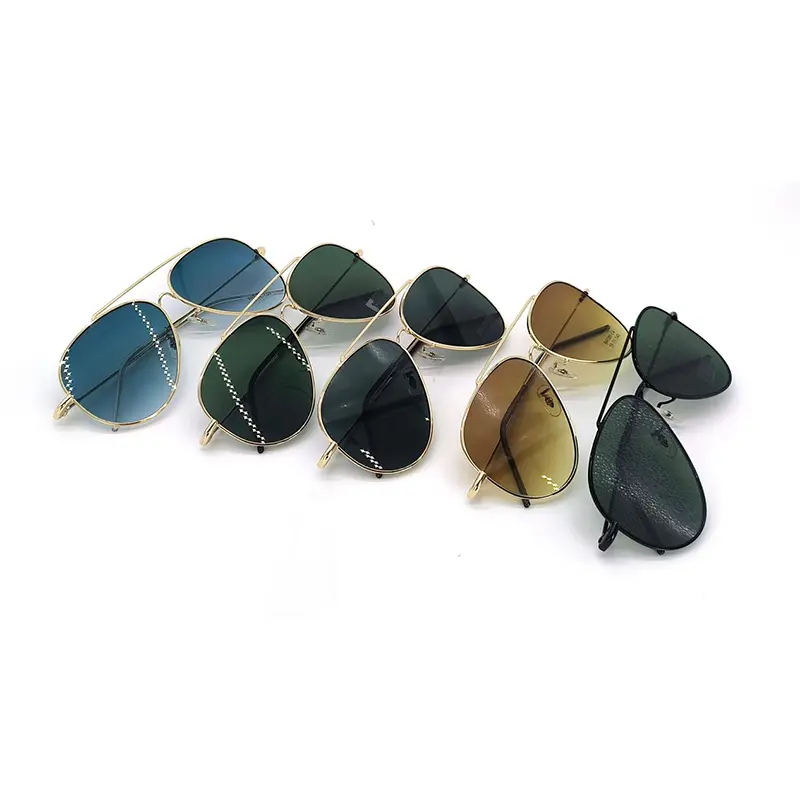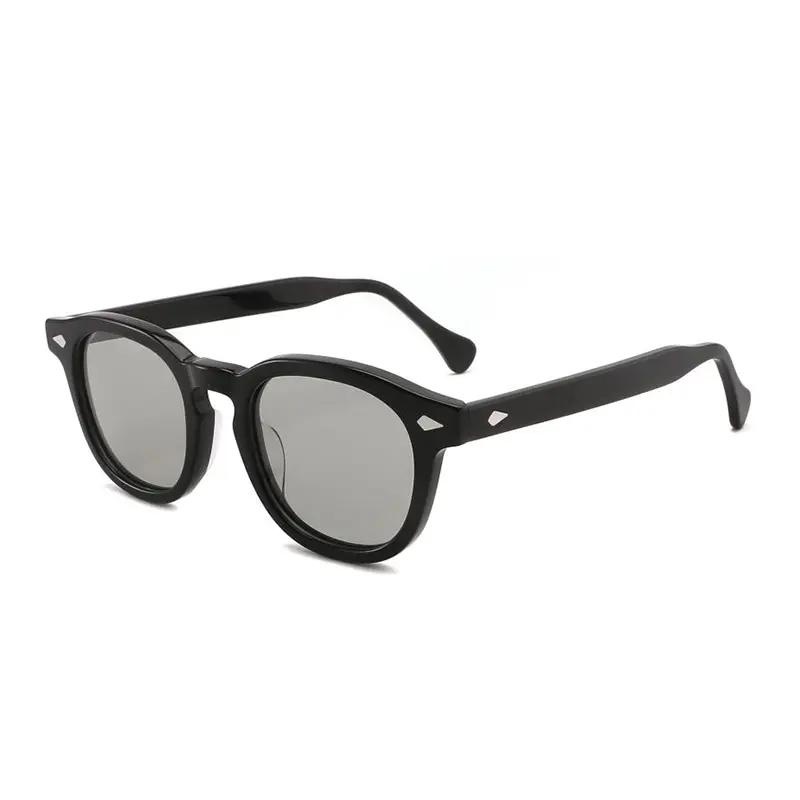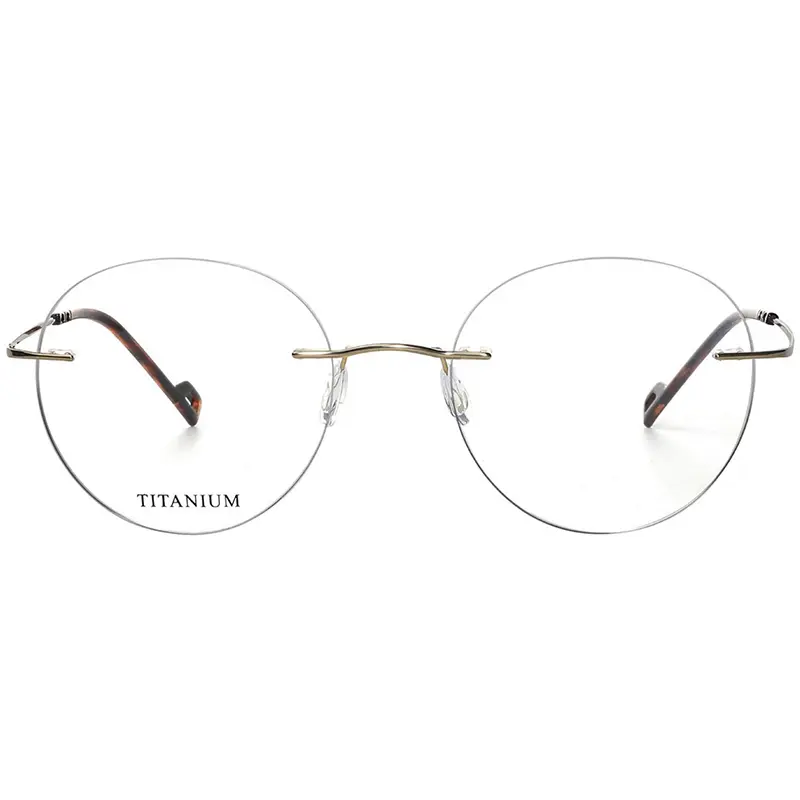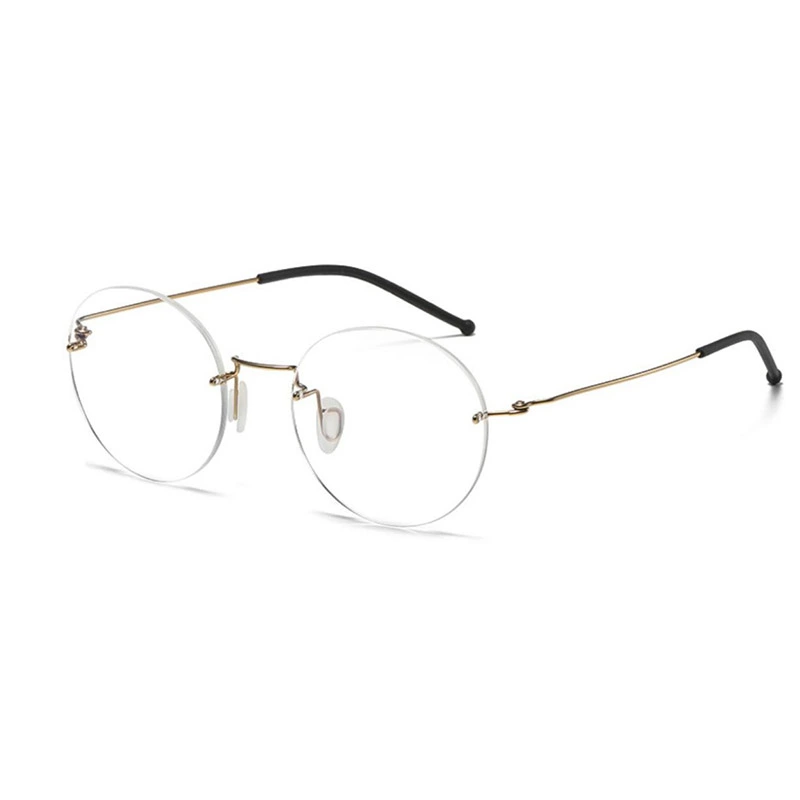

Our core product lines cover premium acetate, metal and titanium prescription optical frames, with sunglasses and upcoming plastic injection frames as supplementary options for global OEM & ODM customization.
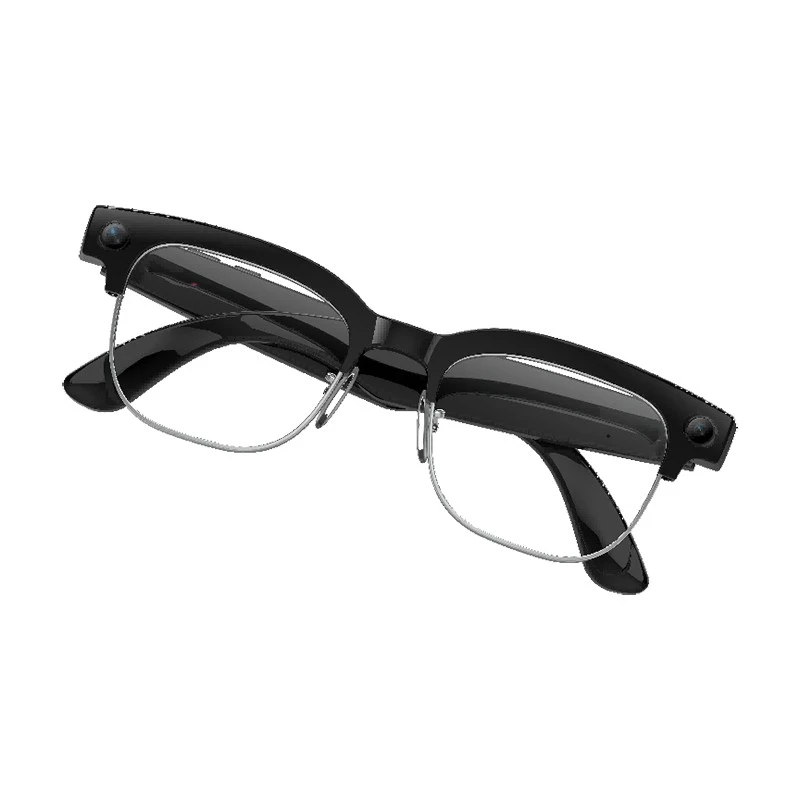
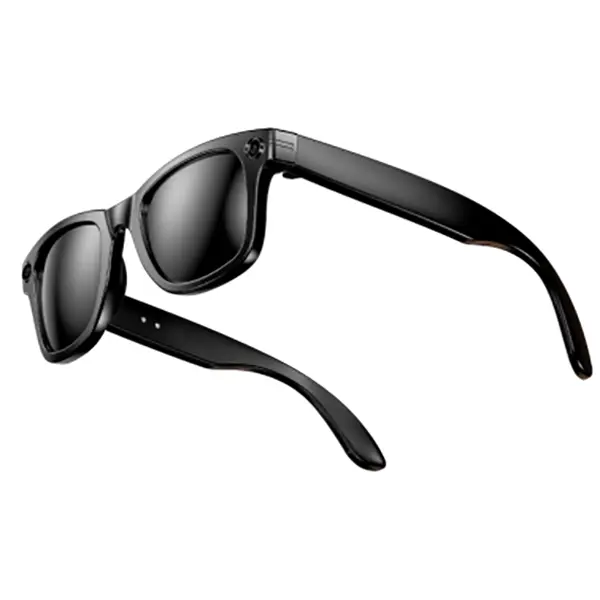
Interstel Eyewear is a manufacturer and supplier of Smart Glasses, offering different wearable eyewear solutions for brands, distributors, and product developers. Combining traditional eyewear design with electronic functions, our product range covers camera-based and Bluetooth-enabled designs for different user needs and market applications.
From frame appearance and wearing comfort to electronic integration and product development, we focus on bringing eyewear design and smart technology together. In-stock options and OEM/ODM development services are available for different project requirements.
Smart eyewear combines the familiar form of conventional glasses with selected electronic functions. Depending on the intended use, different designs may focus on visual recording, wireless connectivity, audio interaction, or other wearable technology applications.
The Smart Glasses range from Interstel Eyewear covers different functional directions, helping customers identify suitable styles according to their target users, product positioning, and market requirements.
Camera-based eyewear integrates a camera module into the frame for first-person photo and video recording. Depending on the product configuration, captured media may be stored locally and transferred through supported wireless connections. These designs can also be evaluated for compatibility with selected AI software applications.
Bluetooth-enabled eyewear focuses on wireless connectivity and connected-device interaction. Product functions and supported features depend on the selected electronic configuration, making it important to define the intended user experience during product selection and development.
Different models may have different electronic modules, frame structures, operating methods, and supported functions. Customers should select a product direction based on the actual application rather than assuming that every model includes the same features.
The design of Smart Glasses involves more than adding electronic components to a conventional frame. Frame proportions, component placement, wearing comfort, and the relationship between electronic functions and everyday use all need to be considered during development.
Camera-equipped designs can support first-person photography and video recording. Camera position, recording operation, and file management should be considered according to the intended application.
Selected configurations may support wireless connections with mobile devices or other compatible equipment. Connection methods and available functions vary by model.
Electronic modules need to be coordinated with the frame structure, available internal space, component position, and overall appearance to maintain a practical wearable design.
Frame weight distribution, nose support, temple structure, and overall fit are important design considerations for products intended for regular use.
Smart Glasses can serve different user groups depending on their functions and design. The following application areas represent potential product directions rather than functions available on every model.
Wearable eyewear designs can combine familiar frame styling with selected connected functions for users interested in integrating technology into everyday routines.
Camera-equipped styles can be considered for cycling, hiking, travel, and other activities where first-person visual recording may be useful.
Hands-free camera designs provide another way to capture demonstrations, daily activities, and first-person footage for content production.
Depending on the selected configuration, wearable eyewear may be considered for site observation, work documentation, equipment inspection, and other field-related tasks.
Visual recording functions can support the documentation of practical demonstrations, instructional procedures, and training activities.
Wearable eyewear offers brands and product developers an opportunity to extend existing eyewear or consumer electronics collections with new product directions.
Frame material selection affects the appearance, structure, weight, and wearing experience of smart eyewear. It also needs to be considered alongside the space and structural requirements of the electronic components.
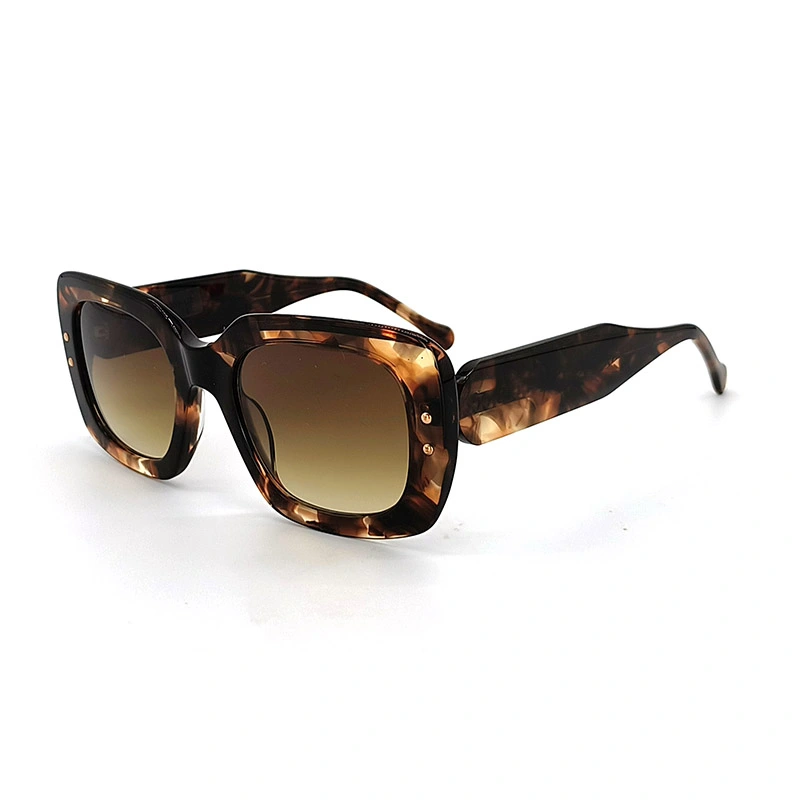
● Acetate: Suitable for eyewear designs that emphasize material texture, color combinations, and a more distinctive frame appearance.
● TR90: A material option for lightweight frame designs and different styling requirements.
● Stainless Steel: Can be used for metal frame structures and designs that require a slimmer visual profile.
Material suitability depends on the selected product structure and electronic layout. For customized projects, frame design and internal component placement should be evaluated together rather than developed as separate elements.
Interstel Eyewear supports OEM and ODM projects for customers developing their own Smart Glasses collections. Our work covers eyewear-related design and manufacturing coordination, with product requirements evaluated according to the selected electronic platform and frame structure.
Frame structure and component placement can be evaluated according to the selected electronic module, product appearance, and intended wearing experience.
Different frame materials, shapes, colors, and styling directions can be discussed for projects targeting specific market segments.
Product samples help evaluate frame appearance, structural coordination, component arrangement, and the overall product concept before production.
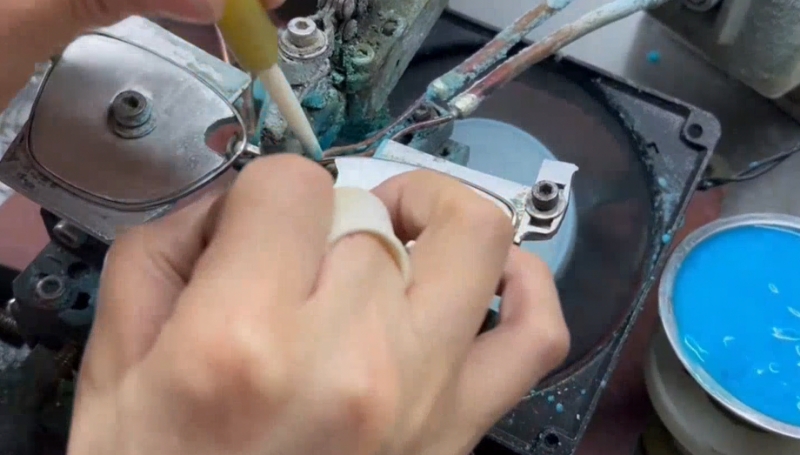
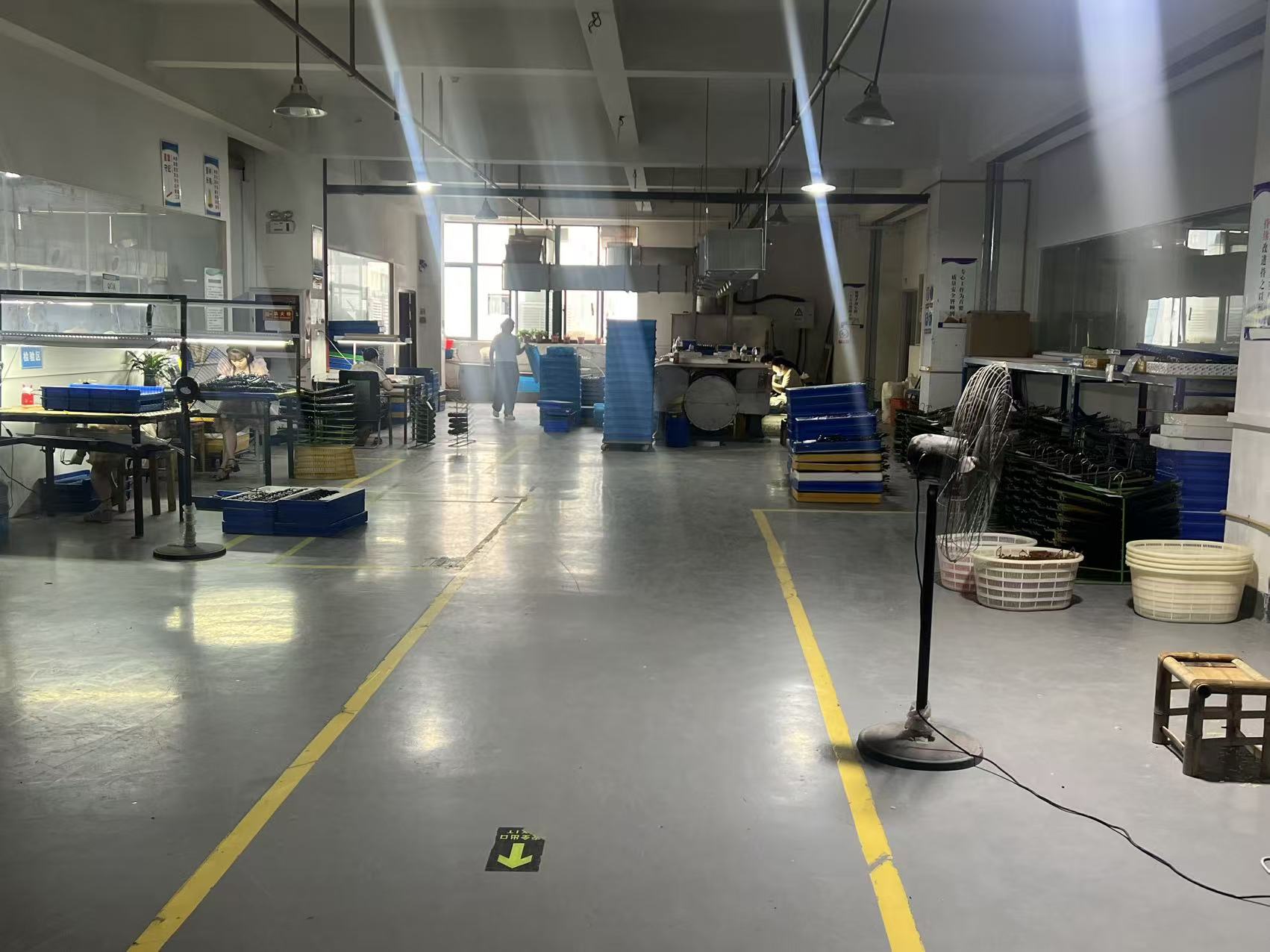
Eyewear components and electronic modules require appropriate inspection during production. Inspection arrangements depend on the product design and selected configuration.
Development note: Changes to frame dimensions, materials, camera position, or internal electronic components may require structural adjustments and additional development time. The project schedule should be confirmed after reviewing the customization requirements.
For customers comparing different eyewear categories, you can also explore our Optical Frames, Acetate Optical Frames, and Titanium Optical Frames to review other frame design directions.
Common product directions include camera-based eyewear and Bluetooth-enabled eyewear. Their functions and electronic configurations differ, so the appropriate type depends on the intended application and target users.
Camera-based designs focus on visual recording, such as taking photos and recording videos. Bluetooth-enabled designs focus on wireless connectivity and connected-device interaction. The specific functions available depend on the selected model.
OEM and ODM projects can be discussed for frame materials, shapes, colors, and structural details. Customization involving electronic component placement may require additional structural development.
Yes. Product direction, frame appearance, material selection, and electronic configuration can be evaluated according to the intended market and application. Specific technical requirements should be confirmed during project discussion.
Interstel Eyewear offers in-stock options as well as ODM development services. Availability depends on the selected model, while customized products require a separate development and production schedule.
Start by defining the main function, target users, preferred frame style, material, and expected application. These details help determine the suitable product direction and whether an existing model or a customized solution is more appropriate.
Whether you are sourcing existing models or planning a new wearable eyewear project, Interstel Eyewear can discuss frame design, material options, product structure, and OEM/ODM requirements with you.
Send Inquiry